

Celebrity hairstylist and barber Andrea Pezzillo is providing the chicest cuts to Hollywood’s leading men. Think: Jon Hamm, Joseph Quinn, Sam Richardson, and Justin Hartley—just to name a few. As a celebrity men’s groomer and curly specialist, she’s worn many hats: everything from creating red-carpet cuts, to teaching the art of cutting curly hair with her online course, Mane Insight.
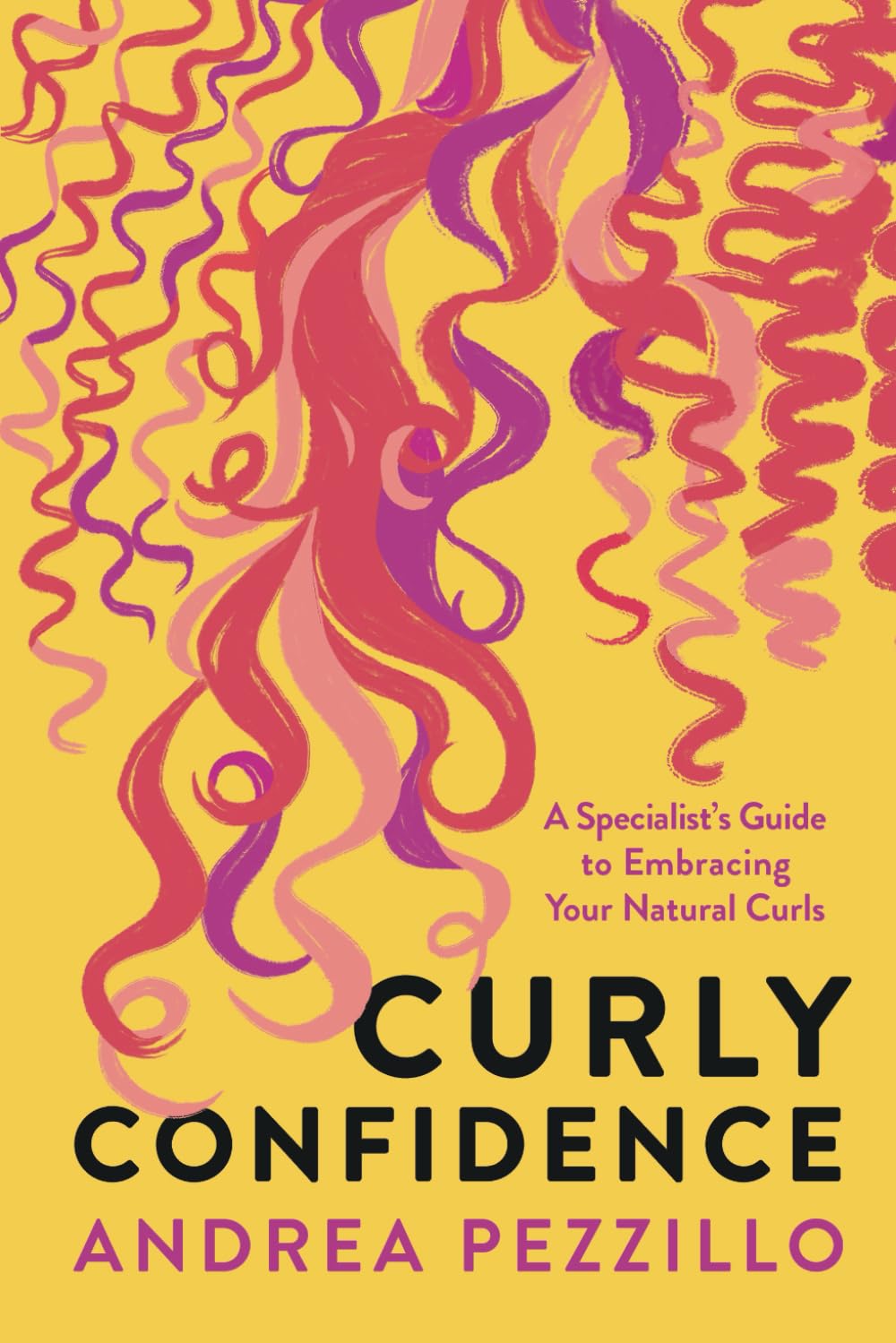
Pezzillo is also a proud advocate of all the intricacies that come with curly hair, leading her to write her debut book, Curly Confidence: A Specialist’s Guide to Embrace Your Natural Curls. With over 20 years of expertise to draw from, Pezzillo created Curly Confidence to celebrate the diversity of all hair types and textures. The book covers the nuances of identifying your curl type and selecting hair products, which is essential whether you’re a curly hair consumer or stylist.
We sat down with Pezzillo to discuss the ideation behind her new book, working with men in Hollywood, and what inspires her curl confidence.
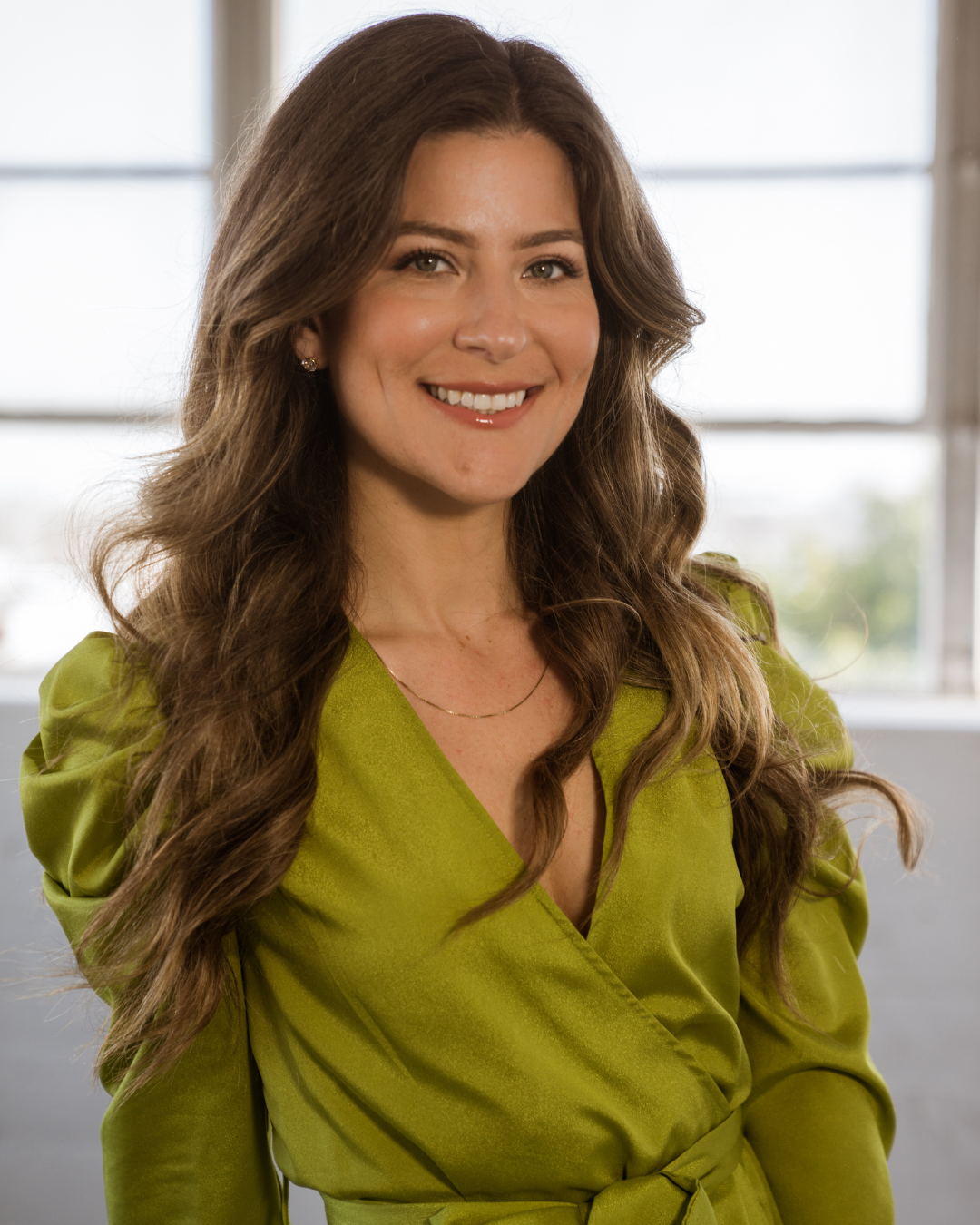
How did your relationship with your curls inspire your career?
My relationship with my own frizzy thick waves definitely inspired my career. Growing up, my mom took me to salons where NO ONE understood my hair. Flat irons weren’t widely available, so I actually straightened my hair with a clothing iron. I didn’t really know how to style or appreciate my hair, so I didn’t like my hair at all.
Early in my career, I realized there were so many people who felt the same way, all struggling to understand their hair. Helping clients learn to love their curls became incredibly fulfilling; I felt I was adding value to people’s lives. Clients embracing their hair gave me a beautiful sense of purpose; I also enjoyed being good at something specialized like curly hair. This shaped my career and, more specifically, the curly hair expertise I’ve built over the years.
What have you learned about how Hollywood views curly hair?
For a long time, naturally curly hair has been viewed as unprofessional in the workplace, not just in Hollywood but even in corporate environments. Curly hair has been misunderstood and overlooked for way too long! Women have worn wigs, extensions, relaxers, and perms to align with industry standards.
There are many stories of actors with curly hair having to do their own hair for red carpets or on set because hairstylists or barbers didn’t know how to work with their texture. You may have even seen an actor wearing a certain style or haircut, not because it was a purposeful choice, but simply because the person hired did not know how to do their hair. Unfortunately, this has been the reality for many with highly textured hair, and the skills to style and care for their hair haven’t been prioritized until recently.
I’m happy about initiatives like the CROWN Act and the recent Hollywood strikes that have pushed for representation and education around naturally curly hair. It’s also encouraging to see progress in beauty schools, where learning how to work with highly textured hair is becoming mandatory in some states.
Do you find a difference in how men and women approach their curly haircare routine?
I do find a difference in how men and women approach their curly hair care. Women typically have a product-heavy or step–heavy routine, with dedicated wash days or styling routines. These routines have become a part of many self-care practices.
Men with curly hair tend to keep their routines simpler but still show care for their natural texture. For example, men who wear waves typically brush consistently, use products, and wear wave caps to hold the pattern, that is, styling curls in a specific way that takes dedication.
While women typically lead the curly hair conversation, I’m happy to see more men embracing their natural texture. I see men in the spotlight wearing their curls with a taper or fade. This is all a great step forward for curly hair representation across the board.
What have been your favorite 2-3 looks you’ve styled for clients and why?
Some of my favorite styles I’ve done are when a woman wants to go short with their curls. I love it when women have the courage to cut it into a playful or sexy shorter style. I have so much fun watching the confidence radiate from each client who takes that bold step.
Another favorite is taking a client from a relaxer to natural curls. So often, clients don’t know what their natural curl pattern looks like. They don’t realize they have beautiful curls hidden under the texturizer or relaxer, and it’s a fun process to help them discover and embrace their natural texture.
I also love doing curly cuts! They’ve become so creative, with bangs, layers, and unique shapes. And don’t let me add some hair color, that takes it to the next level! It’s exciting to see these styles evolving, and it’s so much fun to bring them to life for both women and men.
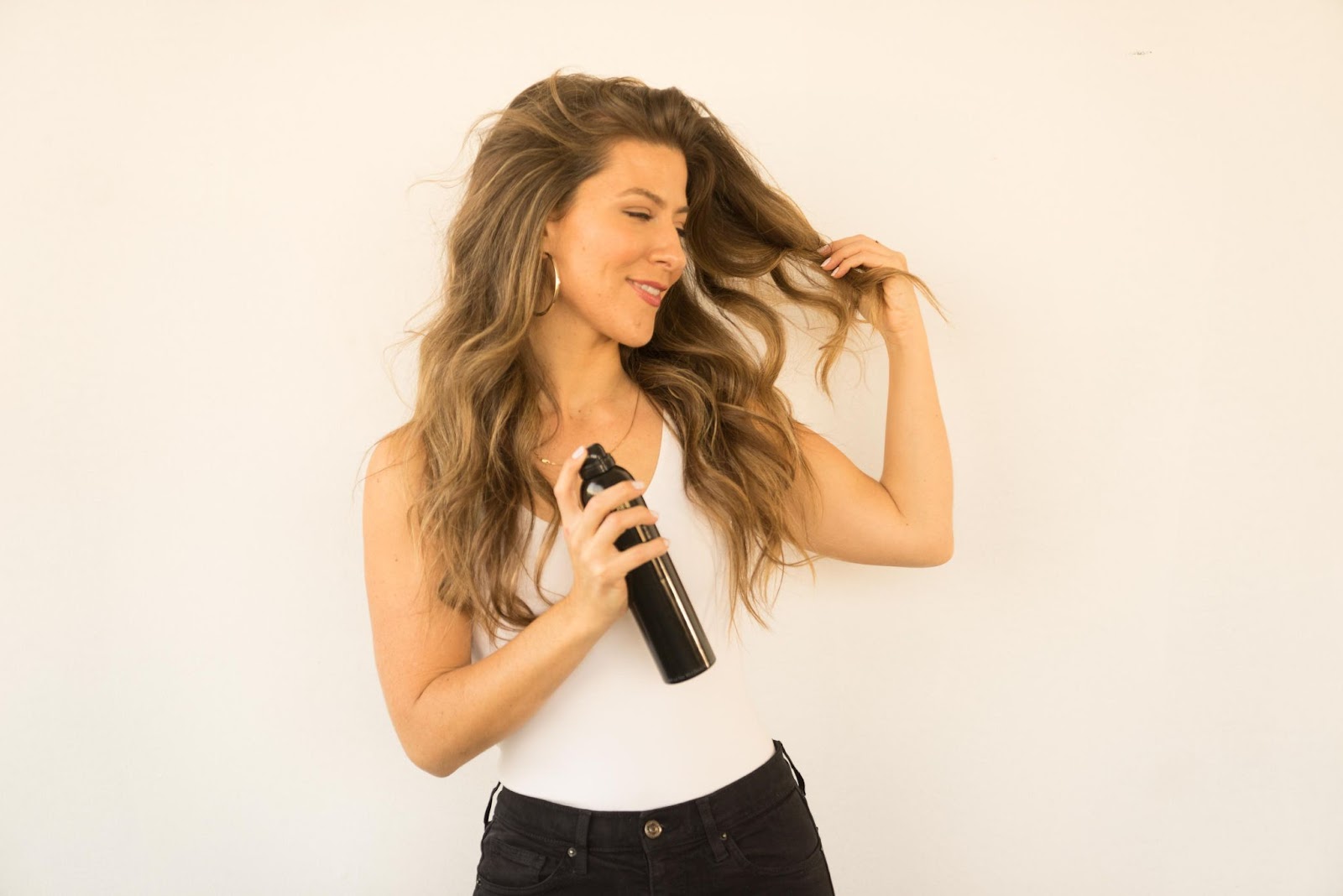
As a fellow curly girl and hair stylist, have you ever had to combat any prejudices or misconceptions about your own hair?
With my hair, I think people see it and assume that it’s easy. The truth is, my hair looks the way it does because I’ve learned how to work with it. My hair is easier than some and harder than others, but it’s always a topic of conversation. While I appreciate the compliments, for a long time I struggled to like my hair and it took practice to become confident and understand my own hair.
Another misconception I’ve had to combat is that because my hair isn’t super curly, some people have been hesitant about my ability to work with their hair type. Building trust with clients whose hair looks different from mine has been very important. I work to create a level of comfort so they know I understand their hair and have the skills to help them achieve the look they want.
You wrote your book during the Hollywood strike—how did that downtime lead to writing about curly hair?
I’m someone who enjoys staying busy, so when the Hollywood strike happened, my work came to a halt, and I had all this free time to create. It started with a simple conversion. I was talking with a longtime client, shared some hair advice, and she said, “I didn’t know that.” It struck me because I felt like I had told her the same thing several times. I realized there are things I may share with one client but not another, and it’s easy for clients to forget a haircare step when I share all the information.
At first, I wanted to create a little guide for my clients. As I started putting everything together, I realized I had so much information in my head that it was actually turning into a book. During the downtime from the strike, I’d take walks every day and speak my ideas into my phone with a voice to text, then write them down when I got back home. Slowly, all those thoughts and tips came together into my book, Curly Confidence.
I also thought about those who would never sit in my chair, searching online for advice about their curls and going in circles without real answers but cabinets full of half-used hair products. I wanted to create a resource that anyone with curly hair could easily access, filled with expert knowledge and tailored to their hair texture.
When it comes to hair education, what do you find hairstylists often get wrong about curly hair?
When it comes to curly hair education, I think what stylists often get wrong is making it too complicated. This either discourages other stylists from learning how to work with curly hair or overwhelms clients with countless new products, theories, and tools. It creates this idea that curly hair requires so much, and the truth is, it doesn’t have to be that difficult. Hair is hair, and all hair is made of similar components. While hair varies in texture, porosity, curl pattern, length, density, color and whether it is damaged or color-treated, the key is to assess each person’s needs and prescribe products accordingly.
People tend to cling to old wives’ tales and mix them with new trends that promise to transform hair in seconds. Clients see one viral video and now they want a “clean, gluten-free, cold-pressed lavender scalp oil” that claims to grow their hair 4 inches in 3 days. It creates unrealistic expectations and overcomplicates haircare. Curly hair can be easily understood and taught by recognizing that it’s simply just hair.
The book covers comprehensive education on regimen, sleeping, and hair shaping. How did you identify what topics were important to address?
It’s funny because after I wrote the book, I’d reread it and think, “Wait, I need to add this!” and I’d do that over and over again. For example, after the book was completed, I went back and added an entire section on health issues and chemo recovery with hair care. I’ve worked with so many women after chemo and women who’ve gone gray or taken medications that changed their hair texture.
I’m sure there’s still so much I didn’t include, but for me, the most important topics were the ones my clients ask me about regularly, things I wish they’d remember about their hair. I also focused on the common frustrations I see in the curly hair community and the topics people really want more information on.
Hair is a very visual medium. What did you find the most challenging about translating it into text?
Many hair resources rely heavily on pictures, but I didn’t want to limit my education to just one person’s look. For example, if I featured a woman with 3C hair, that would narrow the book to just that specific curl pattern and person. It was important for me to keep the book inclusive of the entire curly hair community. Although the book does focus more on highly textured hair, because that group has been underserved, I wanted to ensure it wasn’t boxed in.
That’s why I didn’t include many photos of women with curly hair. I do have a few photos, but that was to visually show something I couldn’t explain otherwise. I worked with a few artists to try and illustrate the different hair textures, but they didn’t capture the depth and variation the way I needed. So, I used photos in that section.
Over the years, I’ve learned how to break down hair care in a digestible way. The book is packed with information, and my goal is for it to serve as a resource that readers can refer back to whenever they have questions about their hair. It’s not something you need to memorize; it’s more of a guide you can revisit as needed.
Don’t wait; grab Curly Confidence: A Specialist’s Guide to Embracing Your Natural Curls today!
Kim Kimble is the people’s champ when it comes to creating iconic looks and elevating her clients. As the celebrity hairstylist to the stars, her iconic work has been featured on the big and small screen with legends like Beyoncé, Zendaya, Halle Berry, and Brandy, just to name a few. Kimble remains the queen of braided looks that blend creativity, culture, and artistry as reflected in Bey’s Cowboy Carter album, her recent Barbie collaboration, and Zendaya’s eye-popping Challenger’s press tour.
As the beauty maven and entrepreneur who has her own styling tools, wigs, and haircare products, it’s only right that we got her predictions for braiding styles that will take center stage in 2025. Read on to discover her thoughts.
What are 2-3 of your favorite braided styles you’ve created during your career?
I worked on Beyoncé’s iconic “Lemonade” album look, featuring cornrows and intricate braided patterns. The long, thick braids in the “Formation” video became a cultural phenomenon and a definitive symbol of empowerment and heritage.
Zendaya’s dramatic braided ponytail on the red carpet is another standout. The sleek, thick braid combined elegance with a modern edge, highlighting how versatile braids can be for high-fashion moments
I have styled Brandy’s signature microbraids, which became synonymous with the star during her “Moesha” era and beyond. These styles have left a lasting mark on the beauty landscape and continue to inspire braided trends today.
Do you have go-to tools and products you always use for your braided styles, or does it change depending on the season, job, or client?
I do have some go-to tools and products that I rely on, but I always make adjustments based on the client’s hair texture, the type of braid, and the desired look. A few staples I always have in my kit include:
Rat Tail Comb: Essential for parting and sectioning hair with precision, especially for intricate braids like cornrows or box braids. It gives me control and allows for neat, sharp parts.
Edge Control: Keeping the edges sleek and controlled is key, especially for styles like braids or updos. I love using a strong-hold edge control to make sure everything stays in place.
Moisturizing Products: Braids can sometimes cause the hair to dry out, so I always make sure to use a moisturizing cream or oil before styling. Products like leave-in conditioners or natural oils (like argan oil) are great for keeping the hair nourished.
Boar Bristle Brush: I use this for smoothing the hair before I start the braiding process. It helps eliminate frizz and leaves the hair looking polished.
As for the season or job, I’ll tailor my approach. For example, in the summer, when humidity is high, I might use stronger hold products to keep everything in place. In colder months, I focus more on hydration and using lighter products to avoid weighing the hair down. Every client and job is unique, so flexibility is key!
Where do you draw inspiration from when creating or ideating on your branding styles?
Inspiration for my braided styles comes from a variety of places. I draw a lot from art, culture, and nature. The intricate patterns in nature, such as the way vines or flowers grow, often spark new ideas for me when designing unique braids. I also look to fashion trends and pop culture, as hair is such an important part of expressing individuality and style. Seeing what my clients are wearing, their personalities, and the vibe they want to project often influences the braids I create for them.
Are there braided styles that are easier to elevate than others? Why or why not?
Absolutely, some braided styles are easier to elevate than others, and it often depends on the style’s versatility and the amount of room for creativity. Box braids, for example, are incredibly versatile and can be elevated with the addition of accessories like beads, gold cuffs, or even colorful extensions.
You can also play with the size of the braids or how they’re styled, such as turning them into a chic updo or adding curls at the ends for a more dramatic effect. Cornrows are a classic style that can be elevated with creative patterns or added details. You can create intricate designs like zigzags and geometric shapes or even mix in different textures. These types of braids naturally lend themselves to adding artistic flair, and they look stunning with a simple styling change or embellishment, like a sleek finish or glitzy pins.
Who are 2-3 trendsetters (celebrities, musicians, etc.) who always elevate braided styles?
Zendaya has been a consistent trendsetter in hair, and her braided looks are always on point. Whether she’s rocking box braids, cornrows, or a jumbo braided ponytail, Zendaya elevates these styles by pairing them with stunning outfits and pushing the envelope with modern takes on classic braids. She also loves experimenting with different textures and lengths, making her a true style icon.
Rihanna has experimented with a variety of braided styles throughout the years. From microbraids to cornrows to intricate braided updos, she’s proven that braids are not only versatile but also a way to express personality and boldness. She always adds her own flair, whether through colorful extensions, beads, or unique patterns, and she never shies away from making a statement with her hair.
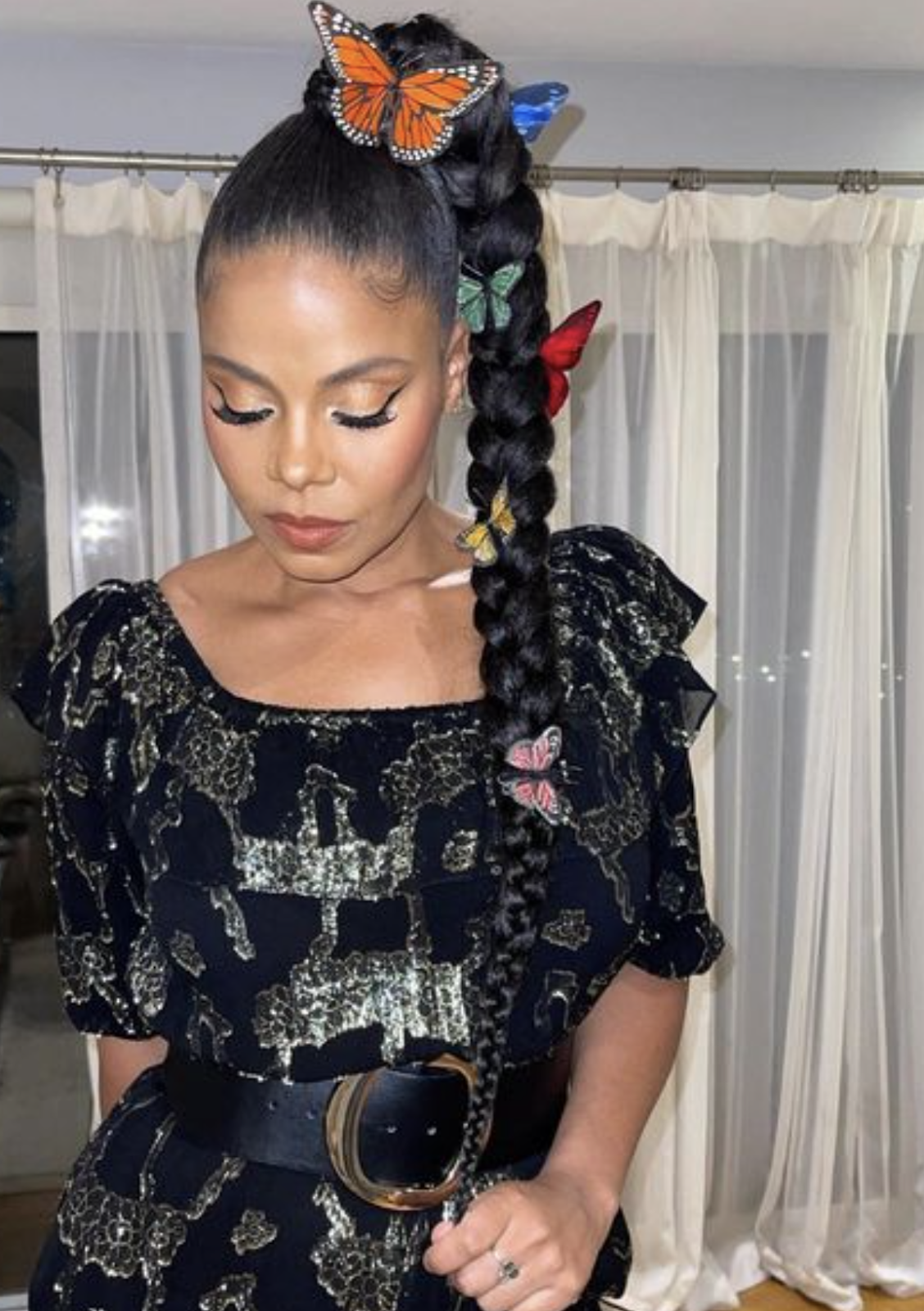
Image Source: @kimkimblehaircare
Braids have been synonymous with creativity, culture, politics, and freedom. Do you feel this reflects the current hair industry?
Braids continue to be powerful symbols of creativity, culture, politics, and freedom, and that is very much reflected in the current hair industry. They have a rich history, especially in African and African-American communities, where they were not only a form of artistic expression but also a way to communicate identity, status, and resistance.
Today, we see braids celebrated as a form of empowerment and a celebration of culture, which has definitely influenced the hair industry. They are seen on runways, in music videos, and on red carpets, reflecting how diverse and inclusive the beauty world has become. We are embracing different textures, lengths, and styles, and braids are at the forefront of this evolution. The industry is evolving to reflect these shifts, with more options for braids, greater acceptance of natural textures, and a growing movement toward celebrating cultural styles. As a hairstylist, I feel privileged to be part of that change and to help people use their hair as a form of self-expression.
In the past few years, we’ve seen a surge in the debut of braiding salons. Do you have any favorites with whom you collaborate for your looks?
It’s been amazing to see the surge in braiding salons in recent years. The demand for braiding services has really grown, and it’s great to see so many talented stylists dedicated to perfecting the craft. I’ve had the pleasure of working with some incredible salons that specialize in braids, and I love collaborating with professionals who share the same passion for creating beautiful, intricate styles. In the end, it’s about finding talented braiders who bring their unique flair to the craft, and I’m always excited to collaborate with professionals who bring something new and fresh to the table.
How do you see braiding styles evolving in 2025?
Sustainability will be at the forefront, with eco-friendly materials, biodegradable extensions, and natural hair care products taking center stage. As the world becomes more connected, there will be an increasing appreciation for braids as a form of cultural expression, honoring their rich history while adapting them for modern fashion. In 2025, braids will not only remain a staple but evolve into dynamic, personalized, and sustainable styles that blend technology, artistry, and heritage.
Get ready to elevate your haircare with Kim Kimble’s haircare products and HairUWear wig line.
Kylee Heath is a hairstylist and groomer who knows how to create a head-turning hairstyle. Her early passion for hairstyling led her to pursue a career in the bustling city of Los Angeles. As a celebrity hairstylist, she quickly stood out in the industry with a natural talent and drive for excellence. Heath’s work has been featured across major celebrity brand campaigns, red carpet, and magazines worldwide.
Her impressive roster of celebrity clients includes Nicole Kidman, Amy Poehler, Awkwafina, Sofia Vergara, Reese Witherspoon, and Maya Rudolph. Heath’s talent and expertise have solidified her reputation as a top stylist in the industry. As a current Los Angeles resident, Kylee continues to impress and inspire with her creative vision and unparalleled skill.
Below, NaturallyCurly sat down to chat with her about her journey, hair bonding products for healthy hair, and more.

Image Source: @kyleehealthhair
What inspired you to become a hairstylist?
When I was five, I started wanting to do my own hair styles. I learned to French braid my own hair, and then would braid my friends’ hair at school, leading me to do everyone’s hair for formal and prom. It was something I was always passionate about.
Do you have specialized services or techniques that are synonymous with your styles?

Image Source: @kyleeheath
I love incorporating braids into looks. Also, I like to create styles that enhance someone’s natural beauty. I tend to lean towards styles that appear low maintenance and not overly forced. However, it is fun to get really creative for editorial shoots or some red carpets.
You’ve worked with many A-list clients. What is your favorite look you’ve created and why?
Oh, that is a great question. I love a braided style I created for Diane Kruger. It was a braid inside of a braid. From the font, it looked simple and somewhat polished, and then in the back, it was fun and unique. It was fun collaborating with her. She is so gorgeous and has such a style icon.
What are common hair health struggles you’ve dealt with as a stylist?
I see a lot of hair dullness and breakage, leading to split ends and flyways. I am so glad that products focusing on bond-repair, have come onto the market. Hair struggles have been around since the beginning of time, but it is so nice to have options out there to help keep the hair strong, shiny, and healthy.
Can you share why hair bonds are important and how they affect our hair health?
Hair bonds are game changers.
We’ve seen every major brand release “hair bonding collections,” from Shea Moisture to Olaplex and ANATOMY. What should customers look for when investing in a bonding product?

Look for peptides and proteins for hydration and strength. I generally avoid treatments with alcohol because it’s productive. ANATOMY has three molecules: Spirolimide, Pro-Amino-X, and AMINALYL S. These penetrate the cuticle deeper than other bonders out there, and they are proven to help the hair’s elasticity, which leads to overall hair health.
Should you pick a hair-bonding product based on your texture or based on your hair needs?
Yes! ANATOMY is amazing because it truly is for every hair type. It helps to rebuild the cuticle on a molecular level. Some hair bonds can actually lead to breakage if you overuse them. When using a new bonding treatment or mask, make sure to read the instructions- some should only be used once a week.
How often should you use hair bonding products, and should they be a regular part of your hair routine?
Some are great to use after each hair wash. ANATOMY is a super lightweight formula and can be used on wet or dry hair. So, you can use it right out of the shower as a multi-functional styling cream, or you can use it to slick your hair back before going to the gym.
Image Source: @kyleeheathhair
What’s a misconception about using hair bonding products?
That they are just for highlighted hair, that just isn’t true. ANATOMY, rebuilds the cuticle in such a way that not only is the hair more elastic (causing less breakage and split ends) but it also plums the hair to be stronger and thicker. We all have someone in our life whose hair “doesn’t grow” because it just starts breaking at some point and doesn’t stay strong enough to keep growing… Anatomy is amazing for someone like that, as well.
Where do you see hairstyles evolving in 2025?
With access to products like these I think over time we will continue to see longer and healthier hair. People care and now know that they have a chance at the hair of their dreams.
If you’re ready to start shopping for hair bonding products, check out how you can Upgrade Your Hair Routine with New Curl Products.
Jennifer Charan stands on business. As a professional hairstylist, hair care expert educator, and content creator, Charan is passionate about helping people of all textures understand the essentials of hair education. As the creator of Haiirology, she’s dedicated her professional career and business to helping individuals have accessible resources to improve their hair health from a licensed hairstylist.
Below, Charan opens up about her career journey, Haiirology, hair loss myths, and more.
Tell us briefly about your career as a hairstylist and who inspires your career.
I’ve been in the hair industry since I was 14 years old. My passion for hairstyling and hair health started early—I’d always ask my hairstylist tons of questions whenever I went for an appointment. One day, she mentioned she needed some extra help on weekends, so I jumped at the chance and asked if I could assist her. She agreed, and that’s where it all began!
From 14 to 17, I handled the basics: booking clients, sweeping hair, and doing laundry. Eventually, I learned how to wash my hair. When I turned 18, I enrolled in hairdressing school while continuing to work at the salon. By then, I had started building a small clientele, offering blow-dries, haircuts, and even some coloring services.

Over time, I honed my skills and naturally began specializing in curly hair, keratin treatments, haircutting, and styling. My career was progressing beautifully, but everything changed when COVID hit. With salons closed and hairdressing on pause, I noticed a huge gap in the industry: clients weren’t getting proper education about their hair, and much of the advice online wasn’t coming from experts.
I wanted to change that. So, I launched my social platforms, Haiirologybyjen, and my blog, Haiirology.com, to provide reliable, easy-to-understand hair advice from a professional perspective. What started as a small initiative grew into an amazing, supportive community. Today, I educate online full-time and continue to do hairstyling part-time.
As for who inspires me, two people stand out right now: @ahappyjustin and @the.blonde.chronicles. I love how they’ve shown that you don’t have to follow the traditional path of being behind the chair all the time. They’ve turned their passion for hair into careers focused on education and creativity—and that’s something I aspire to do as well.
Image Source: @haiirology
How did you define the term “haiirology” and what does it mean to you?
For me, haiirology is all about the science and art of hair care. It’s not just about styling hair to look good—it’s about truly understanding your hair, from its health and texture to what it needs to thrive. When I created Haiirologybyjen, I wanted to build a space where people could learn how to care for their hair in a way that feels approachable and empowering.
To me, haiirology means bridging the gap between the technical knowledge of a hairstylist and the everyday struggles we all face with our hair. It’s about making expert advice accessible, breaking down the jargon, and offering practical tips that actually work. It’s also about celebrating the individuality of hair—because no two heads of hair are the same!
Ultimately, haiirology is my way of helping people feel confident and in control of their hair journey. Whether it’s through educating my community, creating content, or doing hair behind the chair, it’s all rooted in helping people love their hair and understand it better.
As the haiirologist, you provide all-inclusive hair education. Why should people invest in learning about their hair type and texture?
Understanding your hair type and texture is a game-changer! When you know what works for your specific hair, you can finally make confident, informed decisions about products, hairstyles, and how to care for your hair.
Take this, for example: you take the time to dive into learning about your hair and discover that you actually have two different curl patterns going on. Suddenly, it makes sense why none of your styling products have been giving you the results you’re after. That insight alone can help you choose the right products and techniques that actually work for your hair.
Image Source: @haiirologybyjen
On top of that, knowing your hair type and texture is key to having a healthy scalp. When you’re using products tailored to your hair’s needs, your scalp thrives—and a healthy scalp is the foundation of great hair. It’s the starting point for better growth, less breakage, and hair that feels and looks its best.
So, when you invest in understanding your hair, you’re not just learning—it’s like unlocking the secret to truly loving and caring for it!
We’ve seen a wave of conversation post-COVID regarding hair loss; why do you think this very sensitive subject has become more mainstream?
Hair loss has always been a sensitive topic—nobody wants to admit they’re losing their hair. But post-COVID, the conversation seems to have shifted, and I think platforms like TikTok played a huge role in that. During the pandemic, TikTok became a space where people shared their struggles, including hair loss. Suddenly, so many people realized they weren’t alone in their hair loss journey, and that sense of community made the topic less taboo and more mainstream.
I also think people are more willing to open up about hair loss now because they’re looking for solutions. Post-COVID, hair loss affected so many people due to stress, illness, or hormonal changes, and seeing others share their stories gave them hope that they could do something about it. At the end of the day, it’s not just about the hair—it’s about feeling confident again. And that’s what makes the conversation so powerful.

What are the common misconceptions about hair loss?
There are so many misconceptions about hair loss, and I hear them all the time! One of the biggest ones is that hair loss only happens to older people or men. The truth is, hair loss can affect anyone—regardless of age or gender. Stress, hormones, nutrition, and even the way you care for your hair can all play a role.
Another common myth is that hair loss products, such as shampoos or oils, will fix everything overnight. I wish it were that simple! While the right products can help, especially with scalp health, hair loss is often a sign of something bigger, like stress, postpartum changes, or an underlying health issue. It’s important to approach hair loss holistically, looking at your lifestyle, diet, and even how you’re treating your scalp.
People also tend to think hair loss is always permanent, which isn’t true. In many cases, it’s reversible! For example, if your hair loss is caused by stress or breakage from improper hair care, you can take steps to turn it around with a healthy routine.
Lastly, there’s this idea that if you’re losing hair, you must be doing something wrong. That’s just not the case. Hair loss can be genetic or triggered by things totally out of your control, like illness or medication. The key is not to panic but to figure out what’s causing it so you can take action.
Does hair loss affect certain hair types or demographics of people more than others?
Hair loss can happen to anyone, regardless of hair type or demographic. What does play a role in hair loss are factors like genetics, hormones, stress, health conditions, and even how you care for your hair.
For example, if someone with fine hair experiences breakage, it might look like they’re losing more hair simply because their strands are naturally more delicate. On the other hand, someone with thicker or curly hair might not notice hair loss right away because of the volume, but that doesn’t mean it’s not happening.
How can you distinguish between hair loss and a stressful season?
It can be tricky to tell the difference, but there are some key signs to look for. If it’s true hair loss, you’ll likely notice hair falling directly from the follicle, and in some cases, you might even see clumps coming out during washing or styling. It’s more persistent and doesn’t stop until the underlying cause—like hormones, genetics, or health issues—is addressed.
On the other hand, if you’re going through a stressful season, your scalp might feel tender, irritated, or even flaky. You’ll also notice more shedding than usual—it might seem like your hair is everywhere, from your brush to your pillowcase—but this type of shedding typically slows down once the stress passes.
Think of it this way: hair loss tends to have a deeper, long-term cause, while stress-related shedding is more like a temporary “shock” to your system.
What are the contributing factors that can lead to hair loss?
Hair loss can be caused by so many different factors, and sometimes, it’s a combination of things. Stress is a big one—whether it’s from work, life changes, or even just lack of sleep, it can throw your hair growth cycle off balance. Hormonal changes, like those that happen during pregnancy, postpartum, or menopause, are another major player.
Your diet is also key—your hair thrives on proper nutrition, so if you’re not getting enough essential vitamins and minerals, it can show up in your strands. Major lifestyle changes, like illness or weight loss, can also put your body into “shock mode,” leading to hair shedding.
And then there’s scalp care. Your scalp is the foundation of healthy hair, so if you’re not taking care of it properly—or worse, neglecting it altogether—it can lead to issues like clogged follicles or irritation, which can contribute to hair loss.
There are tons of hair loss tools, products, and regimens on the market; what are your recommendations for those wanting to invest in a product or tool or go the DIY method at home to combat hair loss?

A product line I recommend and genuinely stand by is the Vegamour GRO line. I’ve used everything from their GRO shampoo and conditioner to the scalp serum and gummies, and the results were amazing. Not only did I notice a difference in my hair health, but I’ve also heard such positive feedback from my community—friends, family, and followers who’ve tried it out. They’ve shared with me that, after using the Vegamour GRO line, they experienced less shedding, hair loss, and breakage, along with noticeable new hair growth and healthier overall hair. It’s a product line that truly delivers.
For those who love a good DIY solution, I’d suggest trying rosemary water. It’s so simple to make—just steep some fresh rosemary in hot water, let it cool, and transfer it to a spray bottle. You can spritz it onto your roots before washing your hair. Rosemary is known for its scalp-stimulating properties, which can help promote hair growth and reduce shedding.
What types of hairstyles should you avoid when experiencing hair loss and why?
If you’re dealing with hair loss, you’ll want to avoid super tight hairstyles, especially if you do them all the time. I know—it’s tough because sleek styles like slick-back buns and ponytails are so trendy right now. But here’s the thing: constantly pulling your hair tight puts a lot of tension on your scalp and hair follicles, which can lead to even more shedding.
The key is giving your hair and scalp a break. Opt for looser styles like soft braids, low messy buns, or just wearing your hair down. If you really love the sleek look, try only doing it once or twice a month until you see improvement in your hair loss.
If you’ve experience hair loss and are seeking out tools or resources to help with hair growth, check out Can Red Light Help With Hair Growth? Here’s the Truth.

Before we delve into anything, let’s do some quick educating for any new naturals out there. Hair porosity is the hair’s ability to absorb water and hold onto it and is affected by the cuticle of the hair. However, since there are a number of articles about this, you can visit this page about hair porosity, which really helps to explain it all.
Drying Low Porosity Hair

Image Source: @thedemarah
As a low porosity curly, coily, or wavy, you have probably spent hours locked up inside of your house because of hair that simply refused to dry or woken up to damp hair. This can be very annoying, so if you want to cut down on your drying time, here are some things to consider.
A Curl Towel

While using your ordinary towel to dry your hair may seem okay, the fibers of the towel are just too rough on the hair and contribute to frizz and curl pattern disruption since they raise the hair cuticle. However, suppose you want to get the same drying benefits of a towel minus the drama. In that case, several options are made of super absorbent but gentle microfiber or cotton.
Diffuser

Now, I know many women fear the use of heat, but I propose that this method be used in emergency cases. Sometimes you’ve just gotta go, and when those times come around, you don’t want to risk leaving the house and having wet shoulders or leaving stains everywhere. A hair diffuser drastically cuts down on drying time. If you really fear the heat, simply keep it low or use the cool setting.
Plopping
Image Source: @mzbiancarenee
This method is amazing for curlies who want to maintain their curl pattern during the drying process because it allows the excess water to be removed from the hair without disrupting the curls. This method can be used both before and after the application of products. Some of you are probably wondering what plopping is, so allow me to break it down for you:
- Grab a cotton t-shirt. It should be has cotton, so that it will absorb the water.
- Bend over at the waist.
- Push your hair through the large end of the shirt and allow the bottom of the shirt to rest snugly at the nape of your neck.
- Wrap the t-shirt around itself. This helps to squeeze the water out of your hair and into the shirt.
- Spin the twirled end on top of your head to create a bun and tuck the ends under.
Lastly, as a low porosity natural, it is important that you try to at least get some of the water out before applying moisturizing products. The hair has the ability to only absorb so much so if it is already saturated with water the product added on top may just sit there and help to prevent your hair from drying.
Drying High Porosity Hair

Image Source: @hairbyreema
If you are a high porosity natural, then your hair dries quickly, sometimes too quickly, while you’re trying to style it. As opposed to methods for drying your hair, here are a few methods for keeping it moist during styling:
- Keep your spray bottle handy. If you get to a section and it has completely dried before you are able to style it then a few sprays should do the trick.
- Use a creamy conditioner and consider leaving it in. The product’s thickness will help keep your strands wet long after you step out of the shower. Just make sure it is moisturizing and that your other products play well with it to avoid white balls.
- Use an apple cider vinegar rinse after showering to help close your cuticles and prevent your hair from losing water too quickly.
Drying Medium Porosity Hair
Lastly, if you have medium porosity hair then you’re one lucky curly. Your hair neither dries too quickly or too slowly, so you can take your pick of what method you want to use to dry your curls.
I hope this article helps, and as always, remember to have love, peace, and curly-haired bliss.
Do you know what level of porosity your curls have? How do you dry your curls?
This article was originally published in 2012 and has been updated.

Before clean hair care became a buzzword, Advanced Goodness Hair was one step ahead of the curve in including natural, unprocessed ingredients in its products.
The vegan and cruelty-free Canadian company is regarded as one of the pioneering hair care brands that developed formulas free from drying sulfates, parabens, and other damaging ingredients. Since its inception 35 years ago, AG Care has established a legacy of providing consumers with healthy hair products. AG Care transforms hair health for all textures with plant-based ingredients such as organic apple cider vinegar, argan oil, almonds, olive leaves, and more.
Yet, their commitment to healthy care practices doesn’t stop there. Sustainability is at the brand’s core. AG Care develops its packaging with recycled materials. In 2023, the company introduced its first-ever refill pouch to celebrate the 20th anniversary of the best-selling curl cream RE: COIL Curl Activator. The vision to revolutionize their long-term packaging is reflected in their shampoos and conditioners being offered in 1-liter-sized pouches for customers to refill their product containers. Their collection includes an array of shampoos, conditioners, masks, serums, and other products, starting at $28.00.
NaturallyCurly spoke with AG Care’s Chief Revenue Officer Karla Cheon about the brand’s legacy, commitment to protecting the environment, and future innovations in the ever-evolving hair care industry.
Late last year, you all unveiled your first styler refill pouch, RE:COIL Curl Activator. What factors led to you all deciding to develop that type of environment friendly packaging?
We have had recyclable packaging for years. It was our people who said we could do better than just recyclable…Our director of sourcing and sustainability would say these [products] are only recyclable if you have the facilities around. People put things in their blue bins that are not getting recycled and going to landfills.
Recyclables are just the baseline and are not enough. When we underwent a full brand renewal two years ago, that’s where we overhauled all of our formulas. We got a new look and took the opportunity to evolve our packaging. Recyclables were forward in the early 90s, but we stayed still. So, we decided to make not a little leap but a big leap.
Why do you think your best-selling curl cream has been a fan favorite?
There’s a rice curl complex in it that is rice protein based. That was a bit more of a standout at its time because it was based on the rice amino acid being great for curls. That’s what it came from and largely what drove it. It doesn’t just hold your curl, but it activates it.
What other key hair products would you say are honorable mentions that consumers can’t get enough of?
The Apple Cider Vinegar Shampoo can clarify without stripping, and it’s made from plant-based essentials. People love that one because it can be refilled, and you get a better value. The RE: Coil Curl Activator, Fast Food Leave-On Conditioner, and the Boost Apple Cider Vinegar Silicone-Free Conditioner for sure, which we hear people using once in a while as a co-wash.
Why has it been important for AG Care to remain at a fair price point for consumers?
While we’re a relatively small brand, we have a small but loyal clientele that have purchased us over the years. We didn’t want to abandon them…Profitability and just money are not the end all be all. We could do price increases. We have done them when they’ve made sense and been necessary. But we don’t want to make ourselves inaccessible to those who supported us and new people coming in. We need to be profitable, but within reason.
How does AG Care continue to push itself to remain innovative in an ever-evolving industry?
We do a ton of research. We are always looking at ingredient and packaging trends, what’s selling in the market, and what people want…We look from all different angles so that when we innovate, we try to make sure that we’re well-informed before moving forward.
What can we look forward to from AG Care in the future?
We’re working on bringing body care back. We will return with hand soaps and lotions because that’s what people already loved and knew. They’ve been reformulated and simplified. Then, we would like to get head-to-toe with shower care.
Have you checked out AG Care’s products? Let us know in the comments.

For many with curly hair, it can be a lifelong challenge to find the right stylist, cut and style. There are plenty of hair-owing (sorry!) stories about stylists that didn’t know their way around curls, so they broke out the dreaded thinning shears, added too many layers, or tried to smooth things over with a blowout. But there are stylists who are both experienced and passionate about cutting curls, waves, and textured hair — and here’s how to find them.
Where to Search for a Stylist

Image Source: @curlyhairaustin
Ethan Shaw, stylist and owner of the Curly Hair Austin salon, recommends keeping an eye out for curly cuts you like when you’re at a grocery store, restaurant, or bar, and then inquiring about the stylist. “There’s a curly-hair sisterhood,” says Shaw. More than likely, that person will be happy to share information with a fellow curly-haired person.
An online search is also a helpful place to start. Try “curly hair salon” or “curly hair stylist” and your location. Then, take your time checking out salon websites, stylist bios, and reviews.
Image Source: @bellasalonatx
Stylist Keith Pattillo of Bella Salon in Austin advises looking for a DevaCurl-accredited stylist. The DevaCurl technique was created at the DevaChan Salon in New York City. The highly touted technique involves cutting curly hair when it’s dry to see how each curl is shaped and falls in order to make it look its best. No “taming” of the curls here; it’s about embracing each one.
Qualities to Look for in a Stylist
Image Source: @methodhair
Crystal Seeds, a stylist at Method Hair salon in Austin, says that it’s important to find a stylist who will listen carefully to your concerns and specifics, such as “I have a cowlick,” “My hair only curls in humidity,” or “Don’t use the thinning shears on me!”
Pattillo also considers good listening skills essential. He adds:
“A great stylist should be able to answer questions about what style suits your face shape and individual style, as well as have a thorough knowledge of the best products for your hair type.”
Important Questions to Ask a Stylist
Image Source: @hairbyreema
There are a number of questions to ask a prospective stylist. If you’ve done a thorough search first, it should be clear that the stylist is comfortable and experienced cutting curly hair, but be sure to confirm.
Next, ask the stylist what his or her approach is to cutting curly hair. Wet or dry?
“Cutting the hair dry helps a stylist see what’s going on and the shape of the cut as it develops,” says Seeds.

Image Source: @devacurlpro
While Shaw agrees that a dry-cutting technique like DevaCurl “changed the game for cutting curly hair,” there are times when he cuts hair wet. “This is controversial!” he exclaims with a laugh. According to Shaw, cutting hair wet has its place. He has found that when a curly-haired client is up for a major change, there are advantages to doing both wet and dry cutting. He describes his approach:
“I will rough in [sculpt] the shape while the hair is wet. Then, when the hair is dry, I fine-tune it.”
Shaw adds that the tighter the curls, the greater the likelihood of a completely dry cut.
For Seeds, it’s all about avoiding the awful “Christmas tree” effect: short on top and longer on the bottom. Proper layering is important, she says, so ask your prospective stylist what their layering approach is.
Pattillo also has his own approach.

Image Source: @devacurlpro
“The DevaCurl technique helps me to take my time to understand the nature of someone’s particular hair type and how best to give them a great style that they can work with.”
Every stylist is different, of course, so let the prospective stylist know what you’re looking for and how you style your hair. Then ask how he or she would approach your hair.
Common Curly-Hair Mistakes
Image Source: @locks.by.libbybrenner
Just as you may have had your share of disappointing experiences, the three Austin-based stylists have also seen many mistakes in both cutting and styling curly hair.
In addition to the Christmas tree, Seeds has seen both too few and too many layers added, and incorrectly. She and Pattillo agree that using thinning shears can be a big mistake because, as Pattillo details, they distort the curl pattern and can make curly hair frizzy.
Shaw emphasizes that mistakes can be made when clients are styling their hair.
“While their hair is drying, they can mess with it too much. While the hair is still pretty wet, put styling product in — that’s when you’re setting the shape in — then leave it alone. Once it’s completely dry, shake it out just at the roots. Don’t rake through your hair with your fingers or you can make a mess!”
Cutting Curly Hair Is Personal

Image Source: @tamirochellehair
The three stylists all share a passion for cutting curly hair — again, an important quality when searching a stylist.
For Seeds, cutting curly hair is very personal, as she has curly hair.
“I went through my own life looking for that perfect haircut, and I want to give that to others,” says Seeds.
Pattillo also has curly hair. While he’s worked with hair of all textures in his decades as a stylist, it was “a game-changer” when he learned the DevaCurl technique a couple years ago. He’s impressed with the quality of education and the products, and that there’s a community that people can join to understand and love their curls — just like NaturallyCurly.

Image Source: @katrisharose
Shaw, whose wife has curly hair, found his passion for curly hair years ago when he was sent to New York City to further his education as a salon hairdressing instructor. The flat iron era was at its height, and his instructors considered this a disaster. “There’s no art to that style,” Shaw remembers them lamenting. So they instructed their students to really look at each client’s hair, and to find out what works best. Around the same time, he recalls, NaturallyCurly was founded.
“I became passionate about curly hair. It’s always a puzzle. It’s never the same!” says Shaw.

Image Source: @themonacutacademy
Shaw’s curly-hair clients have expressed to him that finding a wearable hairstyle they can do with ease daily at home has been life-changing.
You, too, can find that stylist and cut that could change your life. Do your research, ask the right questions, and see if you like what you hear before the haircut begins.
Exploring Products and Tools on Your Own
While your future stylist will be knowledgeable about hair products and have a line he or she prefers, NaturallyCurly also has recommended products you may be interested in exploring, including shampoos, conditioners and oils, hairstyling, and tools and accessories.
Do you have a favorite local curly hairstylist? If so, share it with us in the comments below; it may be helpful for a fellow curly girl in your area searching for a stylist!

It is often said that when you look good, you feel good, but is there truth in the idea that when you look good, you also do good? Some beauty professionals would say so.
A common and widely supported sentiment states that beauty services can impact and improve one’s self esteem and mental disposition. “I wasn’t sad, I just needed my hair done,” is a familiar joke amongst women, particularly Black women whose hair holds significant weight in their perceptions and presentations of beauty. Mood-boosting beauty enhancements are no foreign concept as beauty, wellness, and self-care tend to intertwine in both practice and marketing.
Whether it be aesthetic nurses, professional makeup artists, or hair stylists, service providers from all sectors of the beauty industry have observed the increase in positive mood and behavior in their clients after an appointment. Many have even ventured to suggest that the beauty, and therefore confidence, clients feel post-service have made them kinder people overall.
Considering these observations then beg the questions: Can enhanced beauty really make you nicer? What are the implications of believing this sentiment? BeautyCon taps Susan Guerrero, Licensed Marriage and Family Therapist (LMFT#141140) to ponder this and more. Guerrero first emphasizes the distinction of perceived beauty, that is, one’s subjective view: “When someone perceives themselves as attractive, it can positively impact their self-image and confidence, creating a positive feedback loop where they feel better about themselves overall. This is why it’s important to find a look that is appealing to your eye and own it. While it’s not the determining factor of life satisfaction, it is a contributing component.”
She expands on this idea of life satisfaction by linking confidence with the courage to initiate social and business connections. In addition, confidence can also help to quiet one’s “inner critic,” she explains. “This reduces the likelihood of projecting self-judgment onto others, making it slightly more likely that they will treat others with kindness.” Bearing this in mind, one can see how plausible it may be for people to be nicer once they are feeling beautiful.
On the other hand, Guerrero clarifies that this is not a “direct cause-and-effect relationship,” as a heightened self-perception of beauty can also make people more arrogant and contemptuous to others, which of course is not kind at all.
She reminds us that beauty is “entirely subjective,” as a large amount of our outlook and behaviors can be attributed to social conditioning, which differs based on subgroup and region. For this reason, embodying beauty in your own way can be as impactful as the adverse side of subjectivity — chasing after society’s unrealistic notions of beauty. Just as enhanced perceptions of beauty can improve many attributes of thought and behavior, feeling a lack of beauty can exacerbate the opposite. Guerrero discusses the increased risk of low self-esteem, anxiety, depression, and eating disorders (Soares Filho et al. (n.d.)) associated with conforming to Western and overall unrealistic beauty standards. As a result, she works to help her patients “create their own narrative of beauty in a holistic sense.”
The flipside of this “beauty-equals-kindness” ideal can be particularly insidious if we are not cautious. In his “Critique of Judgement,” philosopher Immanuel Kant theorized that beauty was a symbol of morality, meaning, those who experience beauty are influenced to do morally good deeds. Across culture, features and body shapes that society deems conventionally unattractive are used to depict villainous, undesirable, unintelligent, or untrustworthy characters. With media examples such as Quasimoto from “The Hunchback of Notre Dame,” or Ursula from “The Little Mermaid,” society has been conditioned since childhood to code these individuals as less-than. This level of bias creates a slippery slope that can amplify prejudice and hatred.
To this point, Guerrero highlights the concept of “pretty privilege” which supports positive treatment of conventionally attractive people, and “inherently presumes the maltreatment of those who aren’t deemed conventionally attractive.”
In sum, looking good can improve positive mood, behavior, and socialization. The lack of this perception can also cause insecurity and discrimination. As far as we’re concerned, it is just as important to find a healthy, inner idea of beauty as it is to be cognizant of the potential harms surrounding beauty morality.

Recently, I received a rather heated e-mail in which a reader objected strongly to one of my previous writings. I concluded that a specific ingredient is generally safe for use in hair care products, but the reader’s personal experience was one of severe allergic reactions. It was a dreadful experience for this person, and it brings to light the unfortunate and unavoidable fact that many of the ingredients used in hair and skin care are potential allergens or irritants. It is not at all uncommon for users to report reactions to seemingly innocuous ingredients that are generally recognized as safe and effective for most people.
What are allergies?
Image Source: @ash.renee.ley
Allergies are a highly complex issue of the immune system, and reports seem to be on the rise, although it is difficult to determine whether that is due to increased incidence or increased awareness. One particularly confounding factor in these situations is that an immune system may mount an allergic response after years of repeated exposures to the material, which can be quite baffling and can sometimes lead to an ingredient being overlooked as the source of the problem.
What is sensitization?
Image Source: @maggobee
Sensitization is the word used to describe an allergic reaction that develops after repeated exposure to an allergen. Often, the first time a body is exposed to a substance it does not seem to know what to do with it and basically just observes it. However, in subsequent exposures, it apparently recognizes the substance, and if it deems the material a dangerous intruder, it mounts an attack (immune response) against it.
Occasionally, sensitization occurs after one small exposure, but more often, it occurs after a single high dose or large surface area exposure or after prolonged, repeat exposures over either small or large surface areas. This is why products such as hair dyes and relaxers recommend that you patch-test a small area of skin every single time you plan to use the product.

Image Source: @ominiranaturals
Symptoms of sensitization to ingredients in hair care products can include the development of a painful, pimply rash, scaly, itchy atopic dermatitis, contact dermatitis, eczema, inflammation, and itchy, flaky scalp. Systemic and/or anaphylactic reactions are unlikely given the typical quantity of any ingredient in a hair product and the relatively small area of exposure, but they are not entirely unheard of.
The Most Common Allergens
Preservatives
Preservatives are probably the most common ingredient category responsible for allergic reactions in hair care products. Among these are the formaldehyde donor antimicrobials, which include diazolidinyl urea, imidazolidinyl urea, DMDM hydantoin, and quaternium-15, to name a few. These ingredients are notorious with dermatologists for causing skin irritation. Another preservative family notorious for being sensitizers is the isothiazolinones.
Fragrances
Image Source: @avapearlcurls
Fragrances are also a notorious allergen for many people. The manufacturers of these products do not usually disclose what is in their proprietary formulas, and they often contain many common allergens in addition to whatever compound(s) are responsible for their characteristic scents. For this reason, many consumers attempt to avoid fragrances, but most products contain at least a masking scent to cover up unpleasant odors from some of the other ingredients. This can present a genuine challenge to the sensitive person.
Ingredients derived from food allergens

People with extremely strong food allergies may also find themselves predisposed to having allergic reactions when exposed to ingredients derived from their food allergens. This seems to be especially true for those with corn, nut, wheat, or gluten intolerances. Nut oils, wheat germ oil, wheat proteins, hydrolyzed wheat proteins, and wheat amino acids should be avoided by those with relevant allergies.
However, there are other ingredients derived from wheat and corn that are not labeled as such and can truly be problematic for some people. Vitamins E and A can be wheat-derived, while Vitamin C may be corn-derived. Propylene glycol and the ethylene glycol used to ethoxylate (PEG-modify) materials can be corn-derived. While the science does not necessarily explain why these derivative products should elicit an allergic response, there are no few accounts of them doing so. Therefore, it bears consideration. One problem is that product labels are not required to denote the source of any given ingredient.
Botanical and animal-derived oils

Botanical and animal-derived oils such as coconut oil, argan oil, castor oil, avocado oil, canola oil, and lanolin have also all been found to produce allergic responses in a small percentage of people. Others find their skin intolerant of mineral oil or petrolatum, which are petroleum-derived products.
The ingredient about which we were contacted was propylene glycol, which is generally recognized as safe but is definitely also recognized as an occasional allergen. It is possible that allergy to this is more widespread than previously realized as well, or it may be becoming more common due to greater exposure to materials sharing the chemical features of the glycols. These include compounds modified by ethylene glycol to increase water solubility, such as sodium laureth sulfate, PEG-modified silicones, and other surfactants, and they are very prevalent in foods, medicines, and cosmetics.
Typically, allergies to these types of materials are accompanied by existing cofactors that seem to predispose a person to a reaction. These co-factors include pre-existing eczema, exposure to large areas of propylene glycol-based products such as cortisone, food allergies, as well as yeast and hormonal issues. Also, some populations seem to be missing the necessary enzymes for the metabolism of these glycols.
Potential Allergens in Cosmetic Products
- Emollients: nut oils, argan oil, coconut oil, lanolin
- Proteins: Wheat proteins, hydrolyzed proteins, amino acids
- UV-absorbers: PABA, octocrylene, octylmethoxy cinnamate
- Surfactants: sodium lauryl sulfate, sodium laureth sulfate
- Humectants: propylene glycol, glycerol (glycerin”>, panthenol
- Preservatives: isothiazolinones, phenoxyethanol
- Formaldehyde donors: DMDM hydantoin, diazolidinyl urea, imidazolidinyl urea,
- Fragrances: both synthetic and botanical
- Vitamins: Vitamin E and A can be wheat derived. Vitamin C is often derived from corn.
- Glycols and triols: (glycerin and propylene glycol), polyols, ethoxylated polymers, ethoxylated surfactants
How do you know what to avoid?
Image Source: @tootilab
Of the countless different ingredients used in hair and skin care formulas, most are generally safe and effective for the majority of the population. However, many of these ingredients also carry the potential to be sensitizers for some people, producing reactions ranging from mildly unpleasant to truly severe. It is wise to know if you have any specific allergies, carefully read labels, and ask manufacturers questions to determine whether or not a product is safe for you.
One thing is safe to say, and that is that we are exposed daily to a far greater number of complex substances than our ancestors ever were: medicines both topically applied and ingested, foods treated with many chemicals, processed foods containing many additives, lawn care chemicals, pesticides, cosmetics with long ingredient lists, and chemically-treated clothing and furniture and carpet, just to name a few. The potential for cumulative and synergistic effects is simply staggering when one considers it.
For these reasons, it is nearly impossible to predict when and if a specific ingredient or combination of ingredients in a hair care product may produce a deleterious response.
How to reduce the potential for an allergic reaction
One way to reduce the potential for a sensitization reaction is to reduce your exposure to all of these materials overall. Another thing you can do is to rotate your products, so that exposure is limited and your immune system can “rest.” Restricting the number of ingredients to which you are exposed by choosing products with shorter ingredient lists may be helpful as well.
Unfortunately, in the case of allergies, natural is not always better, as many plant and animal-derived products are responsible for allergic reactions. There are companies who strive to create products that are truly hypoallergenic, such as Arbonne, but even still, there may be some who react to one of their ingredients.
What has your experience been with allergic reactions to hair care? If you’re still hesitant when shopping for curly hair products, check out 4 Ingredients NOT to Be Afraid Of.
This article has been updated for grammar and clarity since it’s original publication.

We all know that heat isn’t the best for your hair, but there are plenty of good reasons to reach for the blow dryer or flat iron. Sometimes, you just need to try out a new hairstyle — part of the fun of curly hair is how versatile it is! Also, using a blow dryer can help add volume and definition, not to mention majorly speeding up the drying process.
When you do decide to reach for the heat, you should always apply a heat protectant first. These products are specifically formulated to serve as a barrier between your hair and the heat. This layer of protection can make the difference between fried hair and healthy, happy curls.
Here are 10 of the best heat-protectant sprays, serums, and creams for protecting your hair from heat damage!
1. Mizani Style Shifter Society Heat Screen Heat Protectant Spray

This lightweight heat protectant spray contains rose water extract to soften hair and give it shine, without leaving behind a sticky residue. It will shield your hair from heat damage up to 450°F whether you’re using a curling wand, flat iron, or even just diffusing.
2. Curl Keeper Thermal Heat Defence

This new heat protectant from Curly Hair Solutions has a creamy consistency that gets through thick curls creates a protective barrier for hair, and keeps it smooth even in humidity. It also has a water-based formula that won’t dull or build up on hair – ideal for curlies who are sulfate-free.
3. Cantu Thermal Shield Heat Protectant

This product provides moisture, frizz control, and heat protection all in one bottle. It’s formulated with shea butter and silk, and it protects hair from heat up to 425 degrees. Spray it onto your hair while it’s damp and then blow dry or flat iron.
4. Mielle Organics Mongongo Oil Thermal & Heat Protectant Spray

This Mongongo Oil Thermal & Heat Protectant Spray repairs damage and eliminates frizz while also protecting your hair from heat. It’s silky, not drying, and it won’t weigh your curls down. Just apply it to clean, wet hair from roots to tips.
5. Creme of Nature Argan Oil Heat Defense Smooth & Shine Polisher

You can use this spray on either damp or dry hair. Featuring argan oil and honey, it protects your hair from heat styling, but it also does much more — it seals in moisture, promotes shine, and eliminates frizz. You can even re-apply it to your hair to refresh it and add more shine.
6. Design Essentials Agave & Lavender Weightless Thermal Protectant Serum

This serum is designed for “fine to normal” hair. A few drops of this serum will protect each strand from heat damage without weighing down the hair. The serum also seals moisture into the hair cuticle, making your hair look healthy and shiny.
7. Eden BodyWorks Hibiscus Honey Hydration Blow Dry Cream

Looking for a styling cream and a heat protectant in one product? Look no further. This cream is moisturizing, and it helps to define each strand and keep your hair in place. This product is best for those who aren’t heavy-handed with the heat tools because it’s only designed for blow-drying, and Eden BodyWorks recommends waiting until your hair is 60 percent dry before blow-drying.
8. Mixed Chicks Straightening Serum

Before you reach for the flat iron, reach for this straightening serum. It results in super shiny and smooth hair, and it’s humidity-resistant, so your straight hair won’t revert to curls even in the summer heat. No more dry, frizzy hair after the flat iron!
9. Sashapure Smoothing & Shine Hair Treatment

Who knew one product could do so much? This multi-purpose hair treatment is rich in omegas, vitamins, and amino acids, so it delivers a powerful dose of nutrients to your hair. It protects your hair from heat as well as tangles, humidity, and damage, but you can also use it for styling and detangling, as it softens, smoothes, and moisturizes the hair.
10. Miracle 9 Touch of Nature Silk and Smoothing Honey & Avocado Heat Serum

This heat protectant is great for the Type 2 Wavy, Type 3 Curly, and Type 4 Coily categories. The spritz provides defense against heat-styling tool and leaves hair with a silky finish.
Do you use a heat protectant? If you’re looking to maintain your beautiful tresses, read What Heat Styling Is Doing to Your Hair.