

Pantone’s Color of the Year: 17-1230 Mocha Mousse has already set the internet ablaze with tons of discourse about the shade. This inclusive hue is described as ” a warming rich brown hue” meant to capture a global mood of “connection, comfort, and harmony.” As an indulgent shade of brown, Pantone leans into a color trend we’ve been seeing all 2025, brown.
Why mocha mousse? In their official announcement, Pantone says the shade “nurtures with its suggestion of the delectable quality of cacao, chocolate and coffee, appealing to our desire for comfort.” The inspiration behind the color, the brand explains, ties to a collective shift toward nature: “There is a growing movement to align ourselves more closely with the natural world. Characterized by its organic nature, PANTONE 17-1230 Mocha Mousse honors and embraces the sustenance of our physical environment.”
What makes this shade so eye-catching is that it’s a warm, buttery brown that you can easily find in any makeup shade whether it’s lip glosses, eye palettes, or lipsticks, and more. If you’re ready to start planning your 2025 wardrobe, you’ll want to check out these makeup products that cleverly evoke this mesmerizing color.


Get ready to blur, hydrate, and give a kiss of color to the skin with this amazing cream bronzer from Charlotte Tilbury.
Available at Charlotte Tilbury


Which of these makeup products do you think perfectly captures “Mocha Mousse” energy? Let us know in the comments!

Curlies are busy women. Who has time to sit around waiting for their twists to dry? No one. A question we see again and again is how to get hair to dry faster overnight in twists.
One reader writes:” I usually style my hair nightly with conditioners and Eco Styler Gel. Unfortunately, no matter how early I start, my hair is never dry by the time I have to get ready, and I usually take down the twists or braids and find that all of my hard work results in nothing. Not even my drying bonnet can help me. Any suggestions?”
Image Source: @bigheadjustice
We totally get it. The dreaded overnight hair drying situation can be disheartening. There are actual memes poking fun at one’s twists or braids not drying properly and bringing the natural to tears. We understand the struggle is far too real for many, especially if you have thick hair. What to do?
There are a few ways to fix the problem by adjusting either your method of installing your braids and twists or your processes afterward. Check out our steps to make drying twists faster and easier for your routine.
Don’t make hair too wet
Image Source: @curlelia
I know you may feel you must have hair wet for a proper style, but you are probably making hair too wet or using too much conditioner or gel. Try making hair half as wet as normal on each twist or braid and using half the conditioner and gel. You will definitely cut down on your drying time and you may find out you do not need it as wet as you think. Make sure to have some oil on your hands (not a lot) to decrease the amount of frizz as you take down your twists.
Dry hair with a blow-dryer

If your bonnet dryer is not cutting it than a blow-dryer (curlies love PATTERN Beauty) may be the one to work. Some swear by it for drying hair quicker in twists or braids.
Don’t cover your twists at night
Image Source: @caiyad
This simple solution may allow more air to your hair, so they dry quicker than being covered with a satin bonnet or scarf. Just make sure you are sleeping on a satin pillowcase and you should be fine.
Rock them twisted

Image Source: @jeannep
Rock them twisted for a few days or at least for that first day. We get into this ideal of what is acceptable or pretty. Who says you have to unravel them? Try wearing your twists the next morning. Twists are such a beautiful style, and if you part them evenly, you can rock them ‘as is’ or place them in buns, under a turban in a few braids peeking out from the front, or a host of styles that are available for your twists. This can give you a day or two in-between having to do them at night and afford you some free time along with not having to struggle getting your twists dried by morning.
Are you ready to start improving your twists? Check out Best of The Best Products for Braids and Twists 2024.
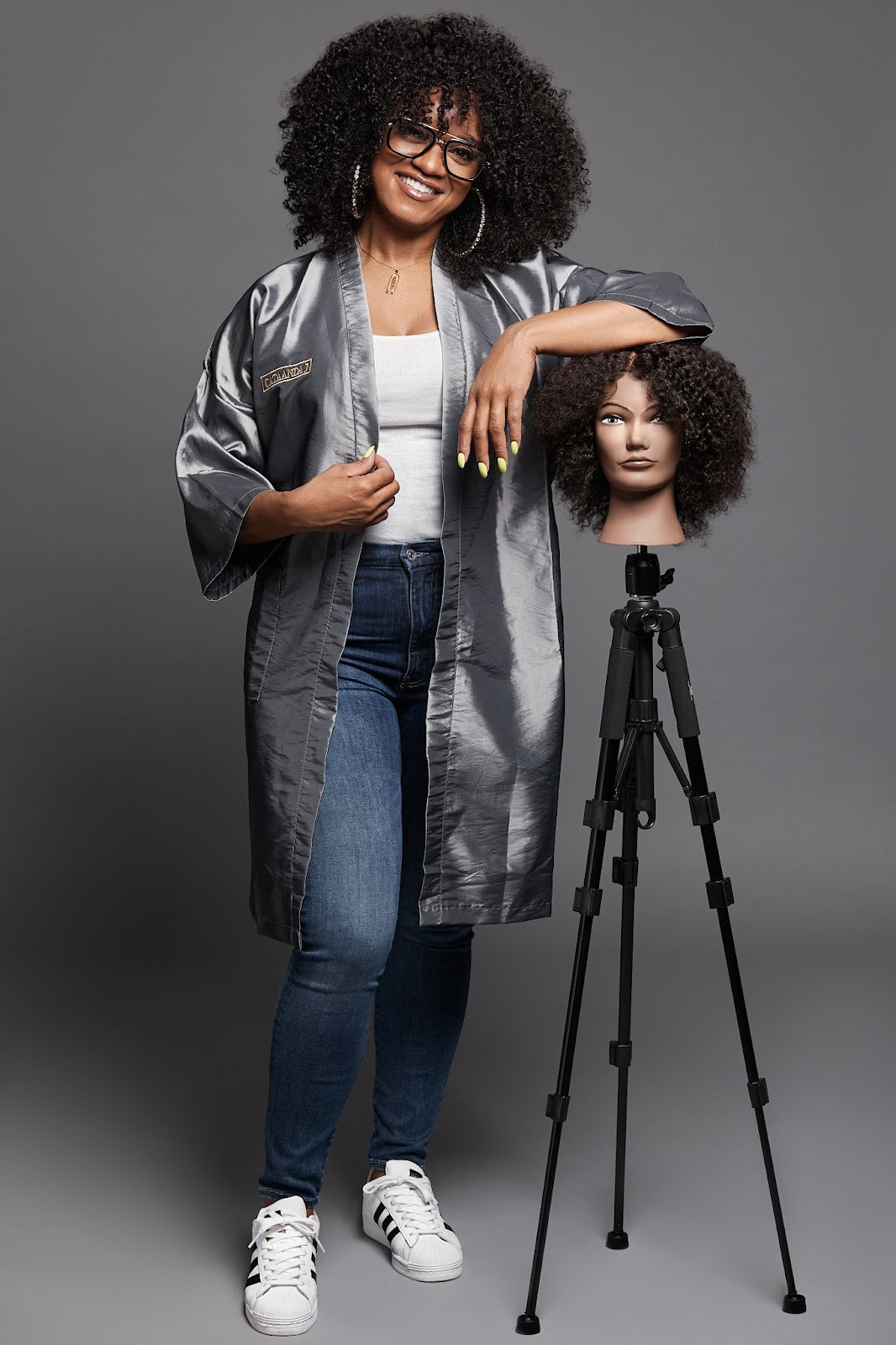
Cataanda James is a hair and beauty industry pioneer who has worked with global brands like L’Oréal Paris, Garnier, Our X, The Mane Choice, Carol’s Daughter, and more. She’s worn various hats, from brand educator, colorist, makeup artist, licensed cosmetologist, and a consultant for high-profile brand releases where she provides insights on product formulations. Her artistry and passion for beauty are reflected in her client relationships and her uncanny ability to help brands elevate their offerings with expert guidance and advice. As a curl expert and stylist, she’s worked with various clients and hair textures and values the crucial steps needed to take care of your crown.
We chatted with Cataanda about protective styles and the best way to prepare your hair before getting any braids, locs, or twists.
What is a misconception about protective styles?
One of the main misconceptions is that wearing a protective style will protect your hair. However, if your hair is not cared for properly or prepped for the protective style, you can experience an adverse reaction.
With a protective style, many people think that you don’t have to shampoo your natural hair, especially if it’s braided, faux locs, sew-ins, wigs, or weaves. When I hear that a client has been wearing their protective style for an extensive time, my first thought is, “You’ve been wearing it for how long? And you haven’t shampooed your hair, even with braids. You have had these in for two months, and there’s been no water to touch your hair or scalp.” That’s bad.
The base of every haircare regimen starts with cleansing. What should you focus on with products and scalp care?
A good moisturizing shampoo does not necessarily have too much protein within the formula because your hair will be braided with extensions. There may be some tension on the edges. While under there, you want to focus on something other than its protein content. You want to focus on the moisture when you take the hair out or the wig off.
When you take your hair out, you want to ensure it is properly nourished, specifically hydrated and moisturized. This means that you want to retain the water once it hits your hair. If you rock this protective style all the time, you should alternate with your protein-based formulas or maintain a healthy balance of protein and moisture.
Can you share why excess protein is bad for the scalp?
Protein could be a little bit tricky; you can actually get too much protein, which can happen with overconditioning. Having too much moisture (which we really know we can’t, we can’t drink enough water, and we can’t get enough moisture in our hair). Excess protein can lead to dryness and brittleness.
The main thing is making sure you’re properly hydrated. We’re caring for the scalp, so products like serums that you might be able to apply prior to the shampoo to soothe the scalp can be very helpful. When you have a protective style, it’s important to double or triple cleanse sometimes. I’m a fanatic about having a clean scalp. I triple cleanse if I have the time, but I always double cleanse.
Should you use a mask or conditioner after your cleanse? Or will it create too much build-up?
After rinsing the shampoo, you need to condition your hair. That’s going to further encourage moisture retention and the hydration of the hair. It also helps to sort of seal the cuticle on the hair, which is very important when you’re going in with the protective style; you want to make sure that it’s closed to avoid any internal damage.
Once you use a mask or conditioner, I always recommend a leave-in conditioner, particularly if you’re getting the protective style and you are going to blow dry your hair prior, which is pretty common when people get braids. You want to make sure that leave-in conditioner also has a heat protectant because it actually adds an extra layer of protection and nourishment to your hair.
Stylers are super popular right now. Is this always necessary if you’re getting a protective style?
It depends on the protective style; you may or may not need a styler, but if you are using stylers, I recommend a lightweight styler like a spray, foam, or mousse. Many foams nowadays aren’t just for hold but for conditioning as well, minimizing frizz, and helping define the curls. If you’re going to get a braid down to put your lace front on or a sew-in, you don’t need a styler; you can stop at the leave-in conditioner.
Are there any current braiding trends or regimens you recommend avoiding?
I don’t understand why people are using so much braid gel. I’ve seen many videos where people are layering and caking up the product (which is heavy and thick) and placing the product on the scalp to make sure the part is pretty while braiding the hair. I highly recommend that you stop doing this if you’re a braider because you face issues like clogging the pores and hair follicles, or someone can have a bad reaction to that product. There’s no oxygen that could get to the hair follicles because of that layer of product, and I’m not sure all the formulations are water soluble, which results in being unable to fully get it off the scalp when you shampoo.
Do you need to straighten or flat iron your hair before a protective style?
You don’t need to; however, depending on the style it’ll be easier for your hair to blend in with the weave, sew-in, or clip-in. I don’t really believe you need to flat iron unless you’re doing tape-ins or gluing your tracks if you’re gonna wear a nice sleek style. But again, protective styles help keep your hair healthy for as long as possible and protect it while under the style. You want to have the least amount of manipulation of your natural hair so that it grows nicely without all of the excess friction and tension.
Are you ready to book an appointment for a protective style? Read our expert recommendations for 25 Braiders That Stand on Business.
The time between Christmas and New Year’s Eve can always feel like a bit of a brain fog. It’s not yet time to go back to work, your adjusting to post-holiday excitement, and anxiously awaiting the start of the new year. With New Year’s Eve is just around the corner, there’s still time to prepare your hairstyle, makeup look, and outfit before the big night. For the beauty maven this night can look like ornate updos, dazzling dresses, glittery nails, and makeup looks that are playful, sultry, and fun. New Year’s Eve looks different for everyone, but whether you’re planning to keep it cozy inside, head out with friends, or eat an intimate dinner, there’s a few beauty essentials you want to keep on hand for the big night.

The Dry Shampoo Puff includes a clean, finely-milled dry shampoo powder in a compact portable puff that absorbs excess oil and refreshes hairstyles. The custom puff top provides even distribution and effortless targeted scalp blotting application, while the locking top ensures no messy spills.
Available at Briogeo
The Solid Fragrance Pair features two of the brand’s best-selling scents, Unmute and Love Club, in skin-loving, moisturizing balms that warm with your body to release the scent throughout the day. Layer them up, touch up, or switch it up—this set is designed for versatility.
Available at NOYZ

You’ll be the toast of the town with Morphe’s newest shimmering palette. Bring the drama to every holiday occasion with this limited-edition curation of warm neutrals, soft pinks, and icy metallics in creamy matte and dazzling shimmer finishes in a new square pan footprint.
Available at Morphe
The Cluster Palette comes in two different styles, a ‘Light’ and ‘Neutral’ option. Each kit includes 36 lash clusters in different sizes for the perfect customizable look, a mini lash applicator, and a mini mascabond, which is a mascara-type under-lash application providing a water-resistant hold for up to 24 hours!
Available at Amazon
Who doesn’t love a great set of curls? The Luxy X Mega Curls Bundle makes it easier to give yourself the curls of your dreams at home. The bundle includes a blowout brush kit, velcro roller set, and heatless curler set to help you create enviable curls all holiday season.
Available at Luxy Hair

Designed to blend flawlessly with deep grey and silver hair color, these charming elastic hair ties are ideal for any occasion—whether you’re at work, the gym, or relaxing at home. The rich tones of our silver silk scrunchies complement your hair color while ensuring your strands remain protected and styled beautifully.
Available at Amazon


Flyaways don’t stand a chance thanks to Rizos Curls newest hair wax stick. The stick is easily glideable against your hairline and forehead and is designed to conveniently fit in your bag for on-the-go touch-ups.
Available at Rizos Curls



And just like that 2024 is out the door, check out the highlights with Our Favorite Hair Moments From 2024. Are you ready to ring in 2025? Let us know in the comments!
If there’s one thing that 2024 gave, and to be clear, it gave many things, it was head-turning hair moments and drops that expanded the haircare industry. There were new innovations in hair tools and technology, big celebrity drops (cough Cécred and Fenty Hair), more products moving towards sustainability, and prioritizing hair health. When it came to haircuts, colors, and styles, the goal was main character energy.
There was a bigger move towards creating hair looks that weren’t only trendy but timeless. Celebrities and influencers continued to use major award shows, red-carpet moments, concerts, and album releases to debut fresh and innovative approaches to their styles that had everyone running to the salon.
Let’s look back at how 2024 became a standout year for outstanding looks that we all loved.
Platinum Blonde
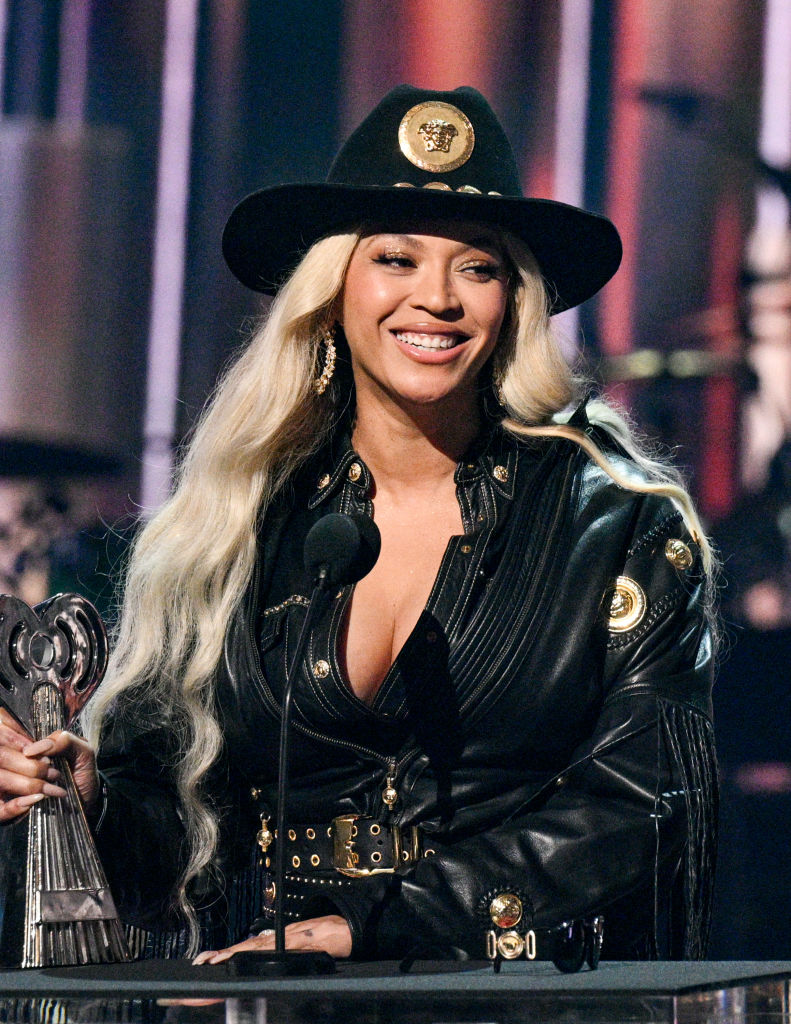
Photo by Michael Buckner/Billboard via Getty Images
Platinum blonde was everyone in 2024. Whether it was Beyoncé ushering in a new era of Country with Cowboy Carter, Camila Cabello transforming from her signature dark tresses, or the pop princess Sabrina Carpenter, platinum blonde was a mainstay hair color this year.
Old Hollywood Bob
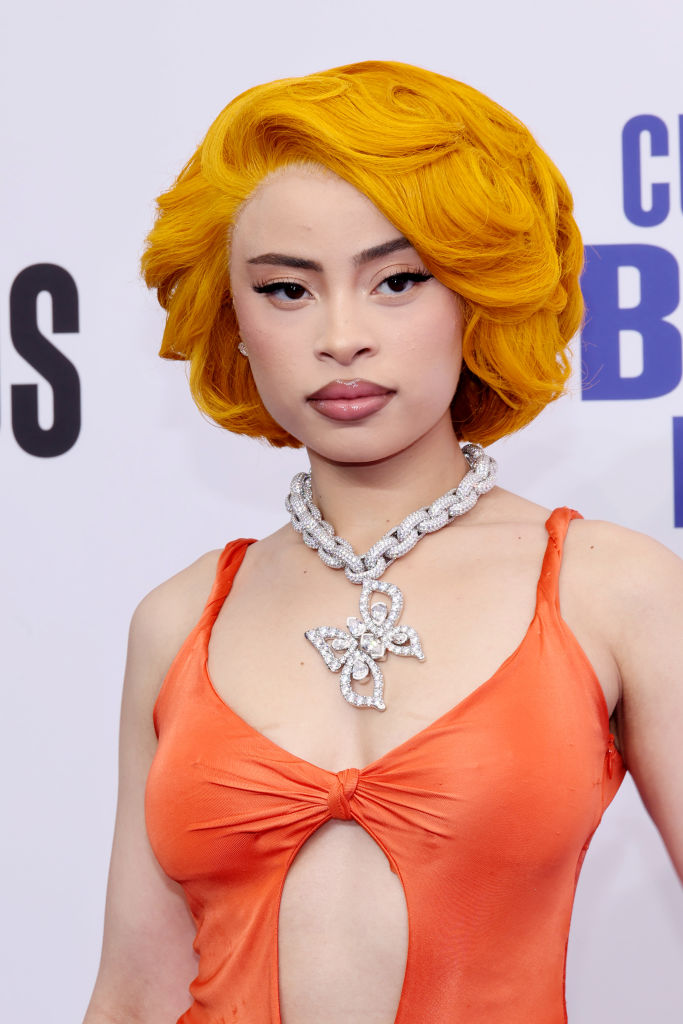
Photo by Amy Sussman/Getty Images
Low maintenance looks like the Old Hollywood Bob was on the menu all year, and here’s why: it blends nostalgia and chicness. Ice Spice turned heads at the BET Awards when she went from her signature copper curls to channeling this stunning style. Sydney Sweeney, Zendaya, and Elsa Hosk are just some women who opted for this sleek, shiny, and voluminous trend.
Nostalgic Updos
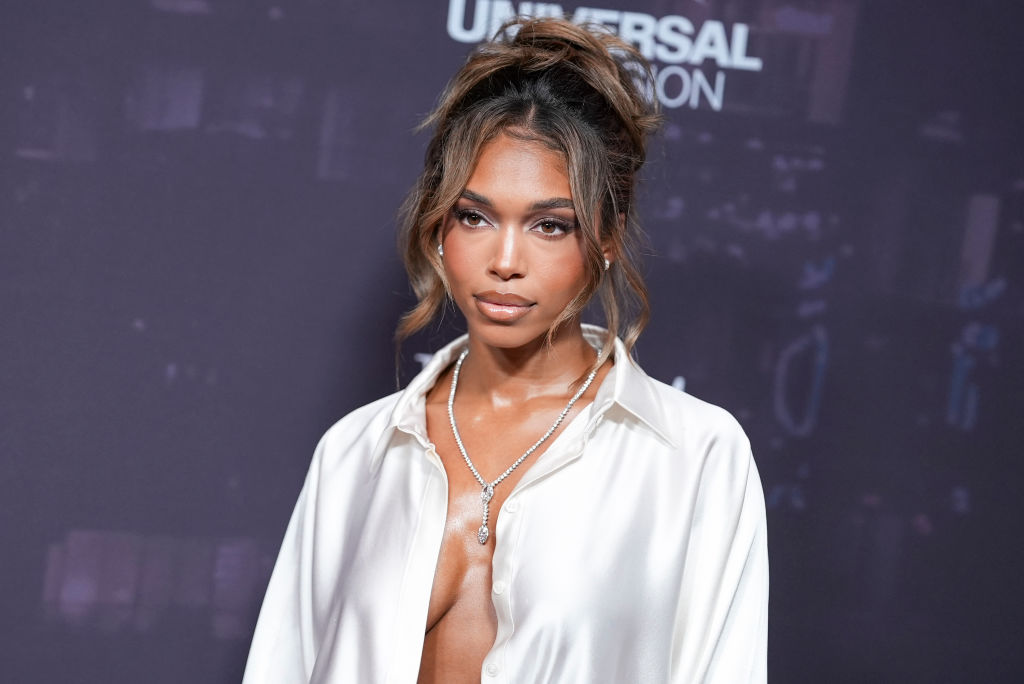
Photo by John Nacion/Variety via Getty Images
Updos have always been a pivotal hairstyle for any evening look, but we transition from sleek styles to more effortless styles that embrace volume. Most notable celebrities like Lori Harvey, Meg Thee Stallion, and Kim Kardashian channeled 90s icons like Pamela Anderson to create a “messy upo” that showcased texture and body.
Braided Topknots
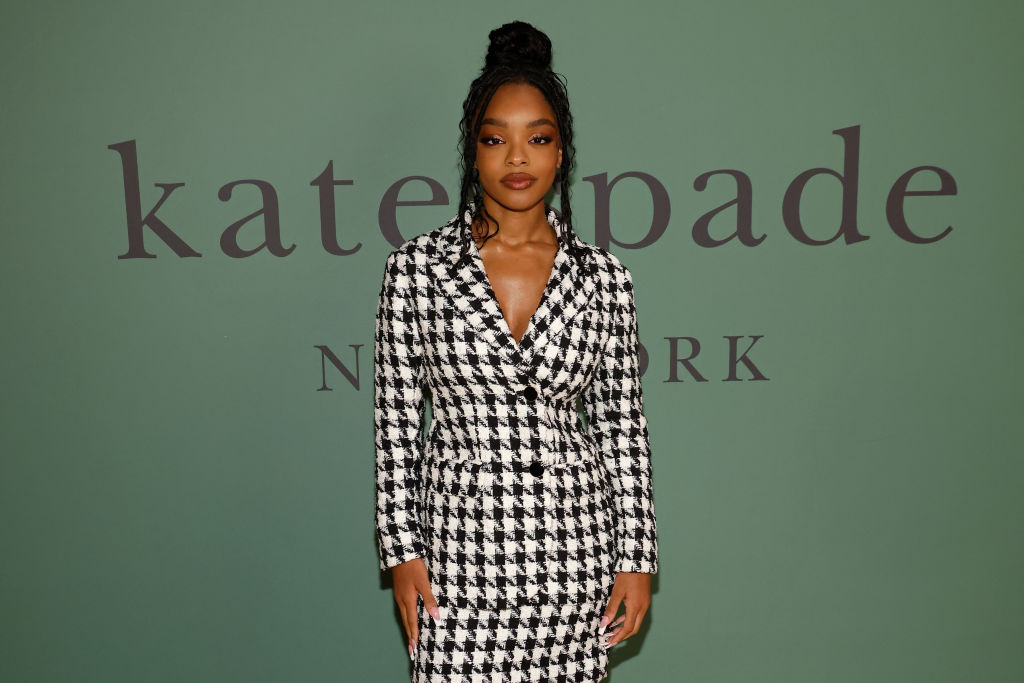
Photo by Taylor Hill/Getty Images
Braids never go out of style, but how we innovate them does. The topknot has always been a signature style that is easy and effortless, but braided topknots helped elevate the updo. Marsai Martin, Jennifer Lopez, and Issa Rae were just a few of the beauty mavens who sported this look in 2024.
Nothing Like Natural
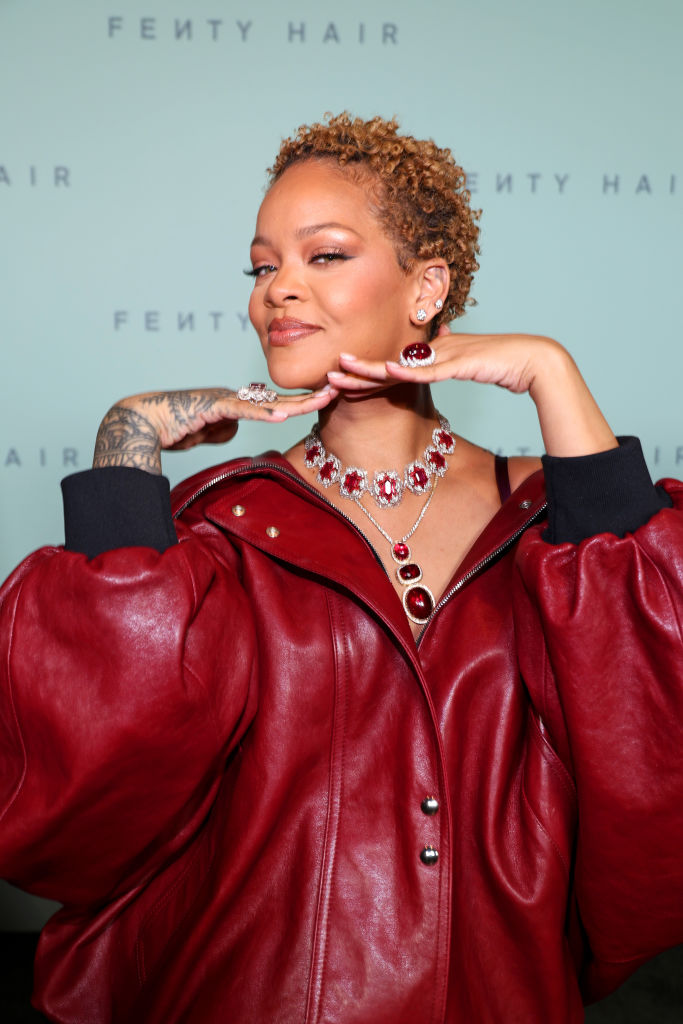
Photo by Kayla Oaddams/WireImage
Calling all naturals. Ditching the wigs, weaves, and extensions and putting your natural coils, curls, and waves front and center were all apart of the healthy hair conversation in 2024. Rihanna, Beyoncé, and Simone Biles made headlines by giving fans a peek behind the scenes and letting us see their real textures.
Nara Smith Bob
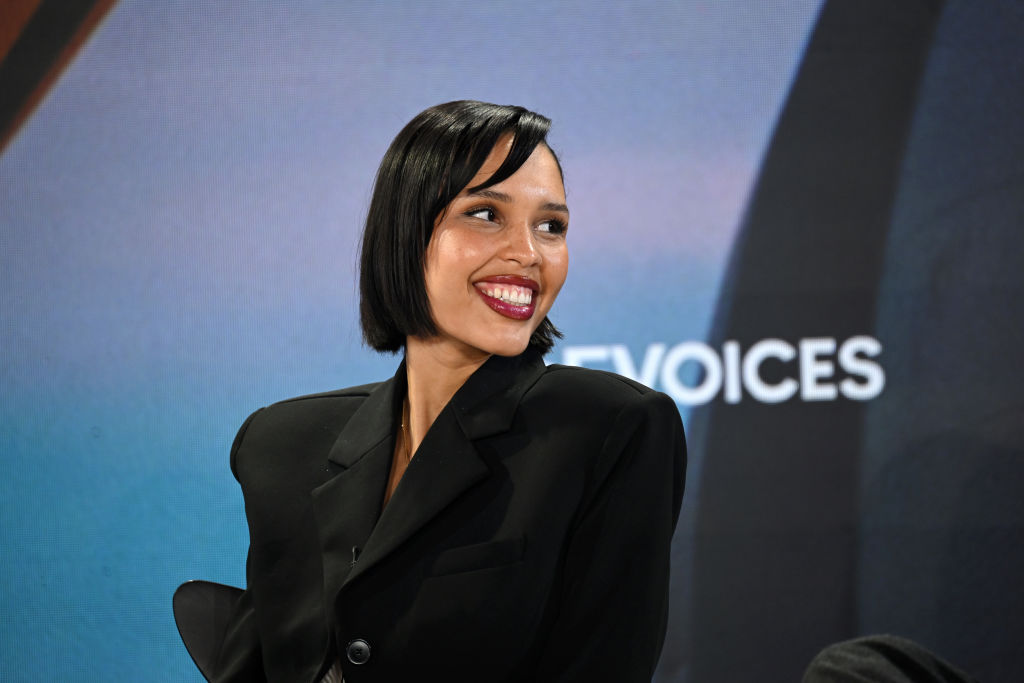
Photo by Stuart C. Wilson/Getty Images for the Business of Fashion
Nara Smith became a social media darling in 2024, but it wasn’t just for her signature voiceovers. The bob made a big comeback, and her one-length style is chic, effortless, and reflects the luxury glam that we all wish to channel.
Single Braid Ponytail
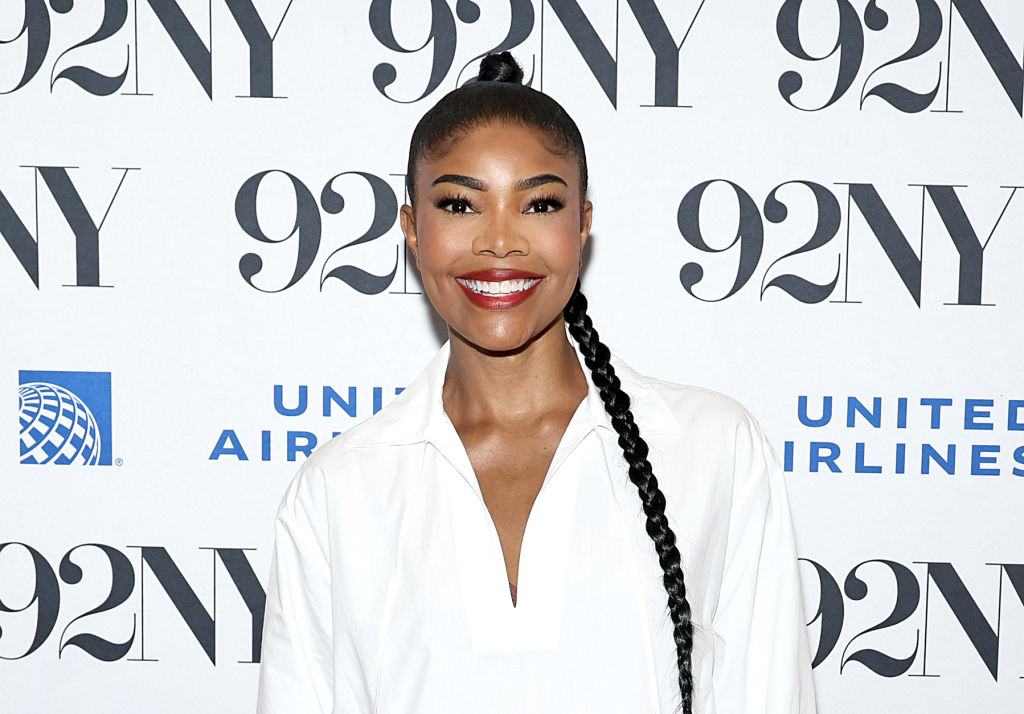
Photo by Jamie McCarthy/Getty Images)
If you’re a ponytail girlie, then you know dressing it up can help add dimension and personality to the classic style. The key to a single braid ponytail is ensuring your hair is slick in the front and then using extensions or weaves to really add length that you can wear to the front or back. Gabrielle Union, Zendaya, and Selena Gomez made this no-fuss hairstyle a fan favorite.
Bombshell Blowouts
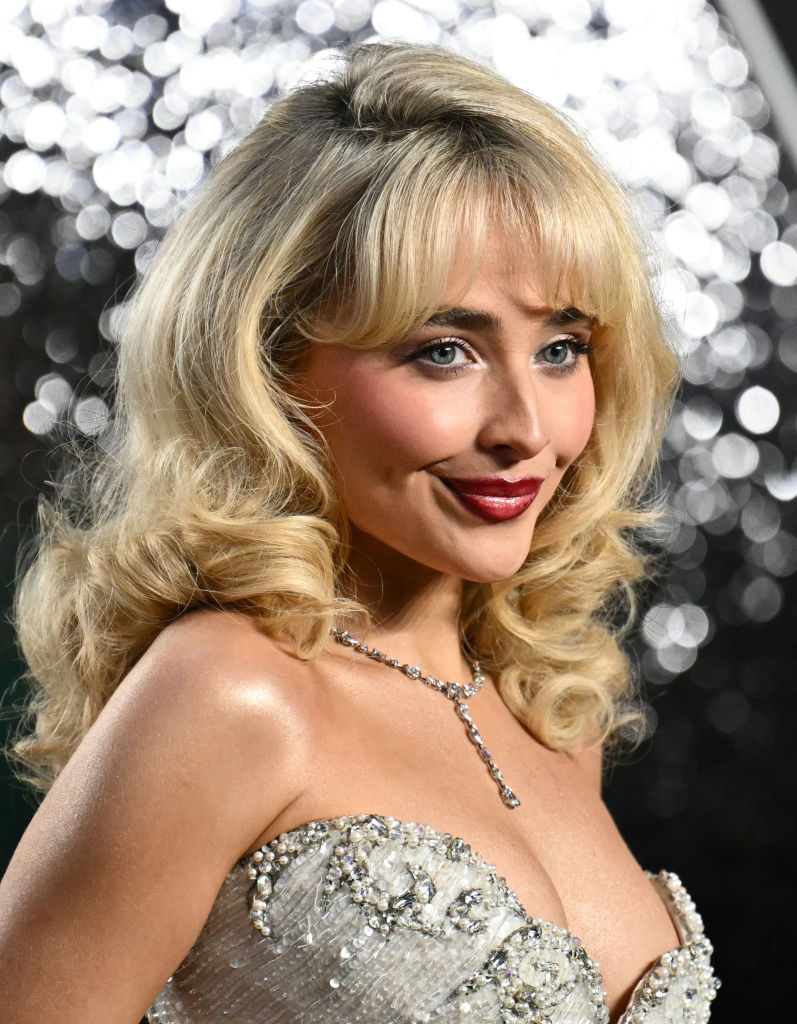
Photo by ANGELA WEISS/AFP via Getty Images
Sabrina Carpenter was the espresso on everyone’s lips in 2024, and it wasn’t just because of her catchy tunes. Her voluminous, blonde bombshell hairstyle quickly became the talk of the town, and many influencers and stylists shared their tips on how to style and maintain this Marilyn Monroe-esque look.
The Wet Look
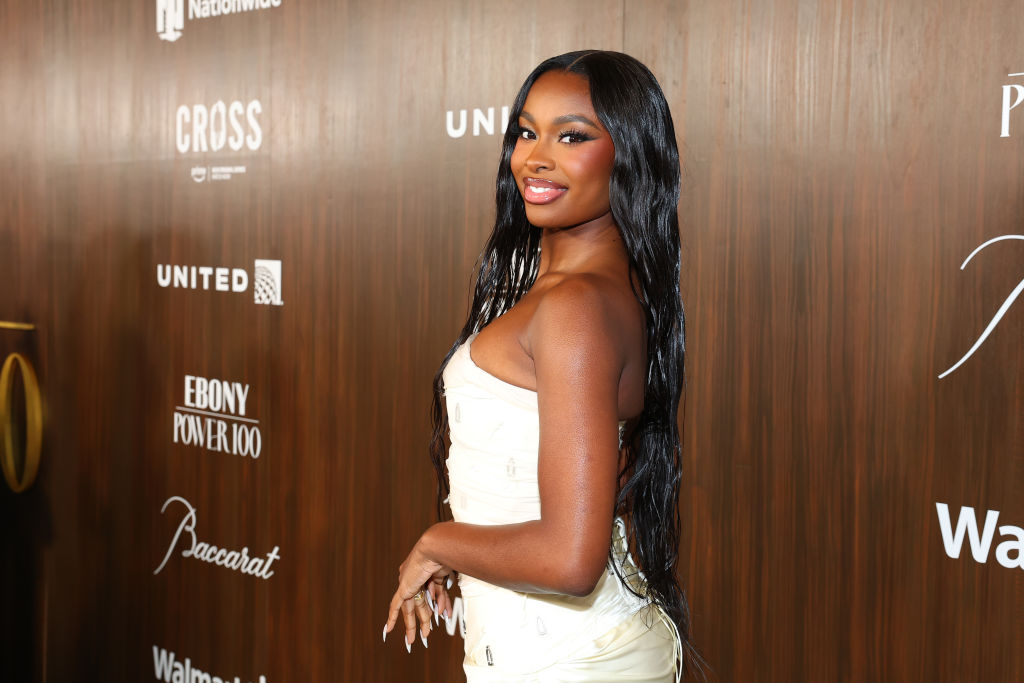
Photo by Leon Bennett/Getty Images for EBONY
Who would have thought that making your hair appear wet (on purpose) would be so popular? The wet look. What’s great about this style is that it can be achieved with any hair texture, as seen by beauty queens like Coco Jones, Kim Kardashian, and Megan Fox. The secret to this style lies in a perfect combination of products like gel, glossing spray, and serum.
Pastel Hues
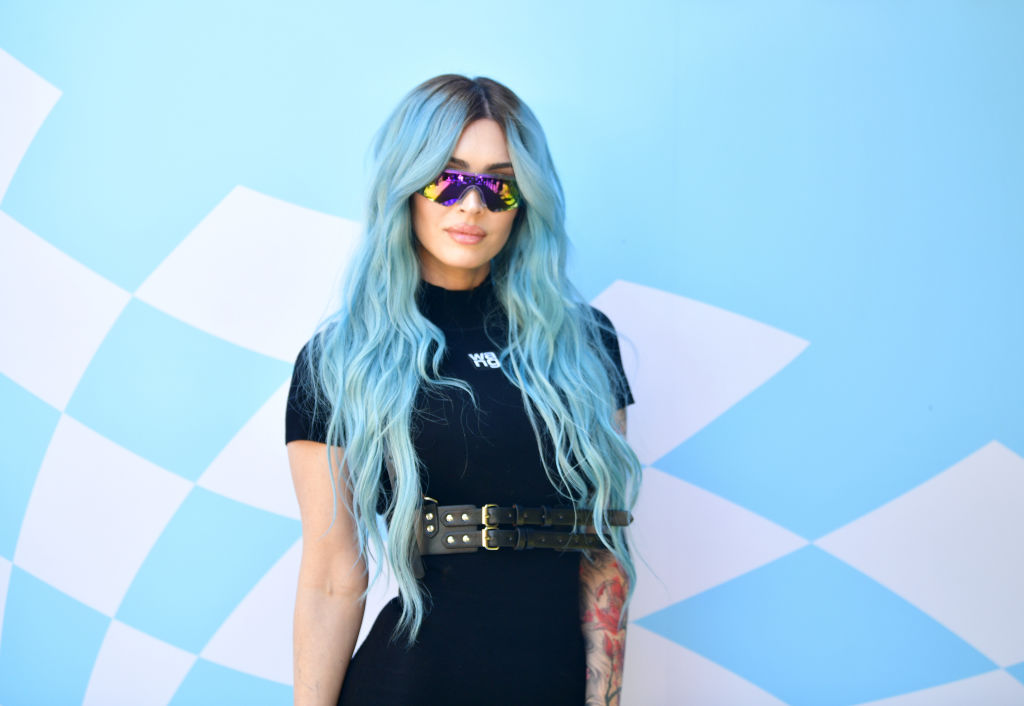
Photo by Araya Doheny/Getty Images for Revolve
There aren’t many times when we get new hair colors that make us do a double-take, but this was definitely a head-turner. Megan Fox set the internet ablaze by debuting a series of pastel hues in blue and pink that ignited new hairstyles for the festival season.
Voluminous High Ponytails
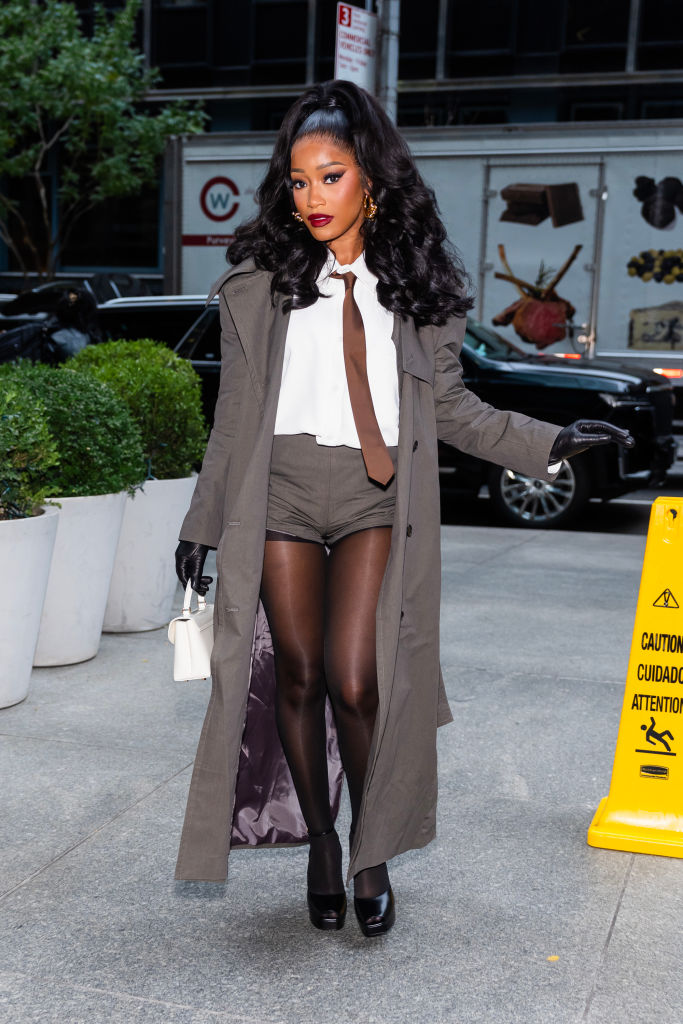
Photo by TheStewartofNY/GC Images
The higher the hair, the closer to…perfection. Sky-high ponytails are elegant, timeless, and give snatched a whole new definition. Keke Palmer, Taraji P. Henson, and Laverne Cox showed how versatile this hairstyle is, whether you’re storming the streets of NYC or slaying the red carpet.
Flipped Bob
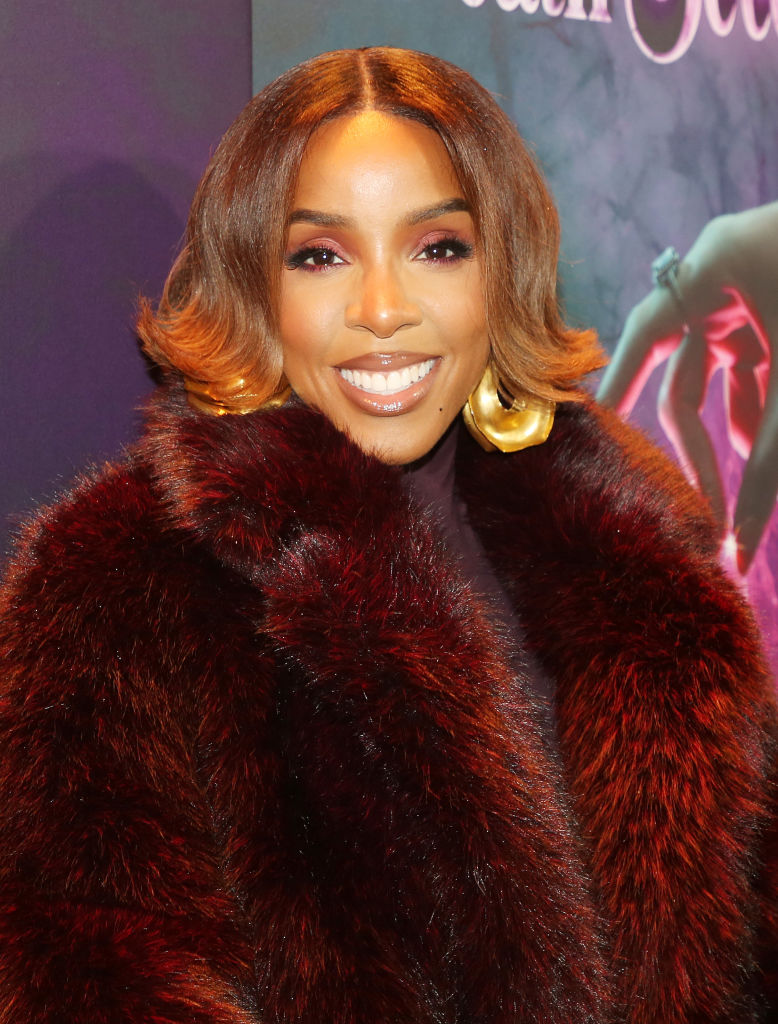
Photo by Bruce Glikas/Getty Images
Sophistication was an integral part of how people approached their hair in 2024. The flipped bob was a short style that took over the summer due to its softer finish and upward flick reminiscent of 60s GOGO girls.
Powerful Pixies
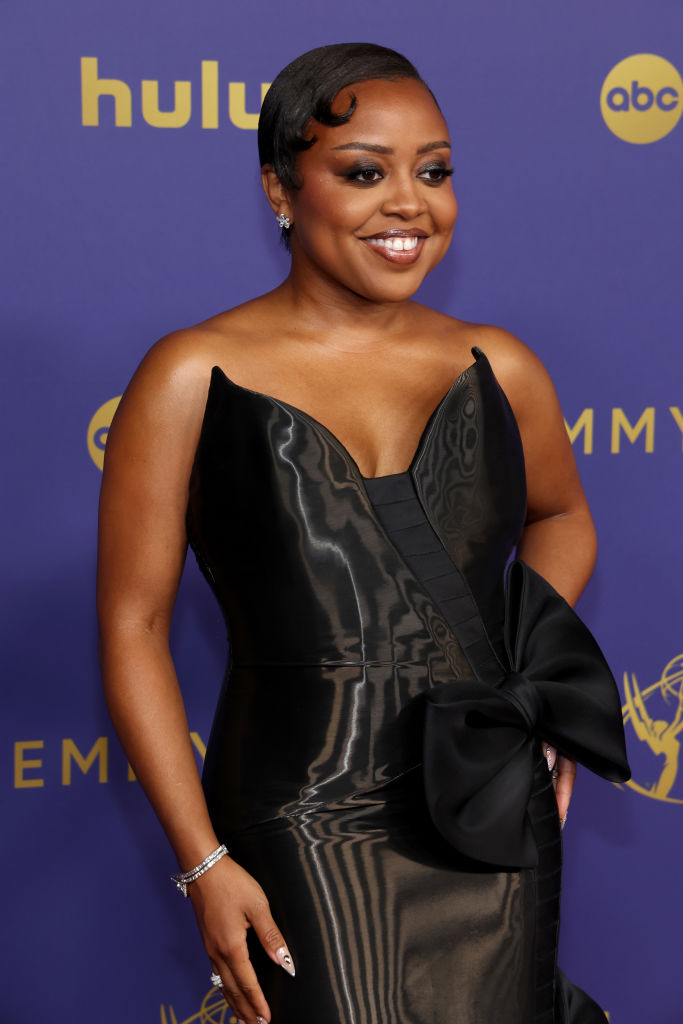
Photo by Kevin Mazur/Getty Images
Pixie cuts have taken over the fall season. This style reflects sheer confidence and is perfect for putting your face front and center. Whether you’re aiming for old-time glamour like Audrey Hepburn or sexy sirens like Halle Berry, pixies are great for those wanting to go short.
Baby Bangs
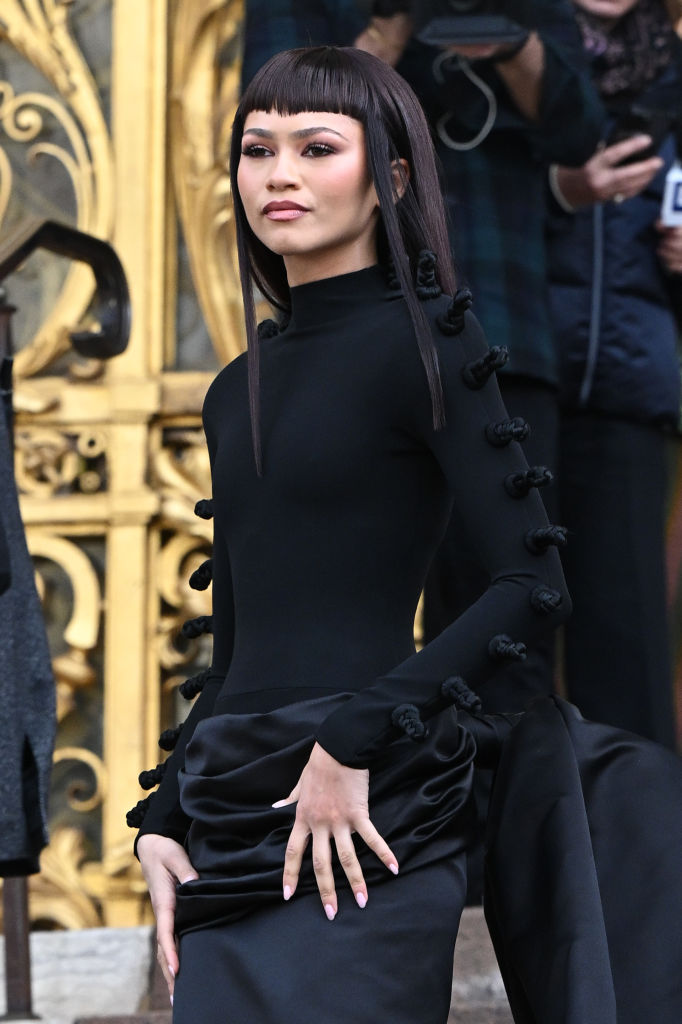
Photo by Stephane Cardinale – Corbis/Corbis via Getty Images
Baby bangs or micro bangs are often known for being super blunt, short, and can be worn across all textures. Zendaya turned heads with this style during Fashion Week, and we’ve seen even more celebrities like Oliva Rodrigo, Julia Fox, and Zoë Kravitz following suit.
Cloudy Curls
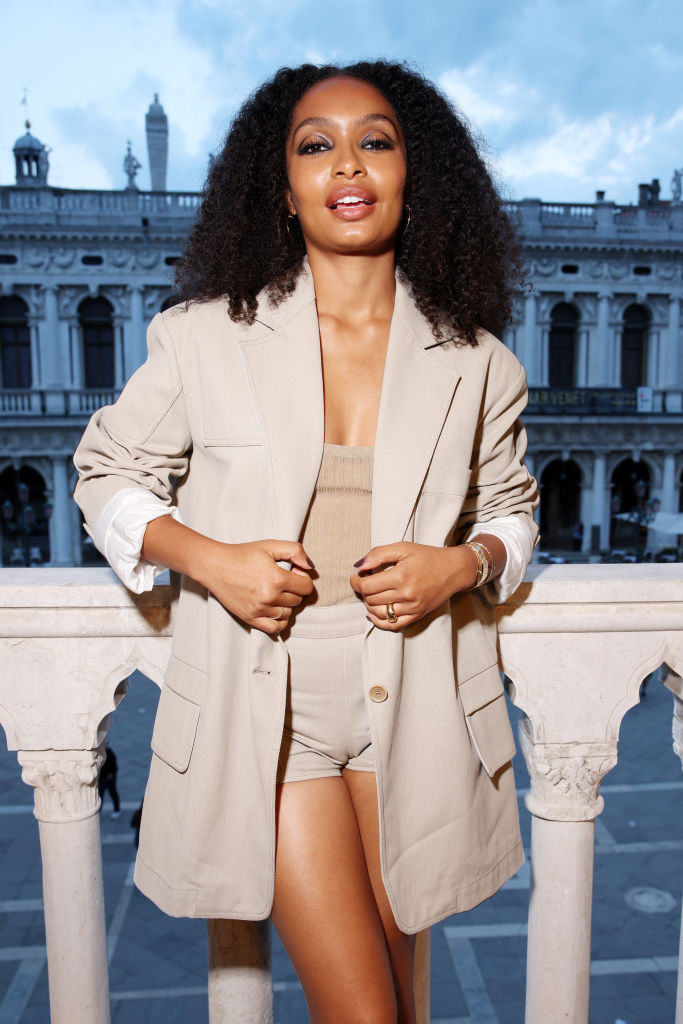
Photo by Daniele Venturelli/WireImage
Cloud curls have taken over the fall season since they are cut and are designed to complement your hair’s natural texture and movement. The “cloud” effect comes from embracing the halo effect or frizz that gives a youthful look. Yara Shahidi is the queen of cloud curls and is a great example of a celebrity who continually serves in this fanciful style.
Textured Updo
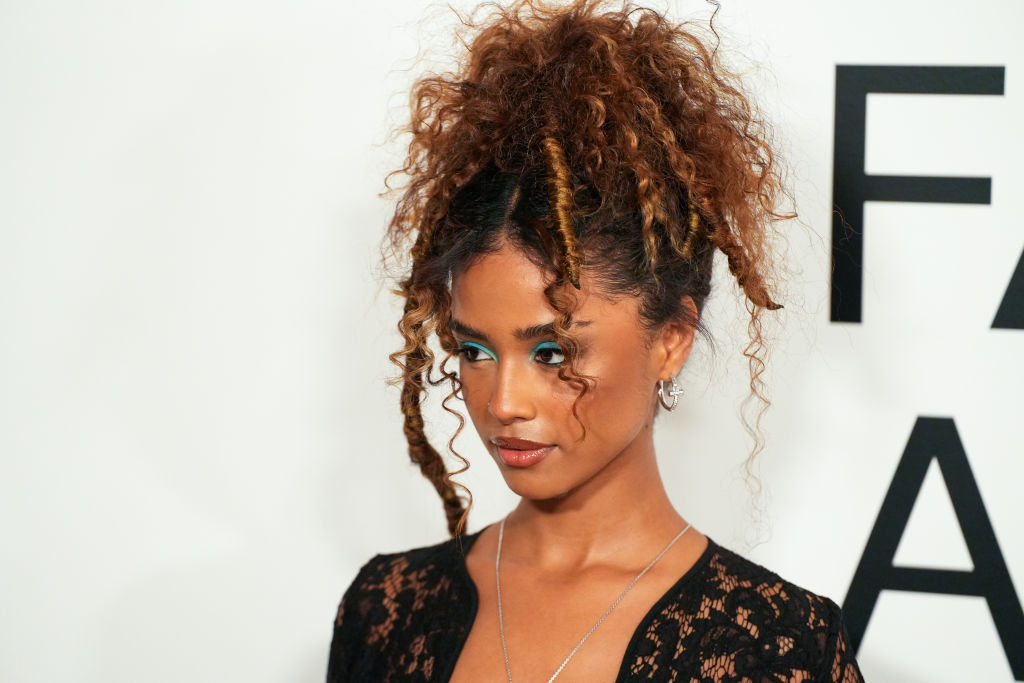
Photo by Sean Zanni/Patrick McMullan via Getty Images
Your natural texture is beautiful, and that’s why we saw more celebrities aiming to ditch the heat tools and creating updos with their curls, coils, and waves intact. A little mousse and hairspray went a long way for celebrities like Tyla, Jordyn Woods, and Anna Taylor Joy, who used their natural tresses to create jaw-dropping styles.
Which hairstyle took your breath away in 2024? What are you looking forward to in 2025? Let us know in the comments.

You finally decided to start your healthy curly hair journey with the Curly Girl Method. “Embrace my curls” or “Curly and proud,” you repeat to yourself. A few website clicks later, and you find products that are labeled “Sulfate and Silicone Free“. You take the plunge and purchase them without checking the ingredients because you trust the labels. Now you have $70 worth of hair product on its way. Recommendations continue to pop up on your social media feed, and $300 later, you still haven’t found what works for YOUR HAIR!
“You’ll just have to try it and see if it works for you!” or “This is all about trial and error!” others would gently say.
I am here to tell you that there is another way to choose your products instead of trying everything that is on the market. Understanding how to read ingredient lists has transformed my curly hair journey without decimating my bank balance!
“Sulfate-free” doesn’t always mean Sulfate-Free
Image Source: @uche_gang
In the very early stages of my journey with the Curly Girl Method, I made these mistakes several times. A shampoo would have the label “Sulfate Free” at the front, and then later, I would have a hard time dealing with dryness and would finally see a Sulfate listed in the ingredients. From my experience over time, I came to understand that when advertisers label “Sulfate Free” at the very front, they are referring to one of the harshest Sulfates: Sodium Lauryl Sulfate. However, this does not mean that the product is entirely free of Sulfates. On several occasions, I have found other drying Sulfates in the list, despite the “Sulfate Free” label.
Curly Girl-friendly ingredients to look for
In the Curly Girl Method, we avoid harsh Sulfates and drying Alcohols (they dehydrate the hair), Silicones, Waxes, and Mineral Oils (they build up). As replacements, we look for ingredients that are mild, moisturizing, and soluble for curly hair in order to minimize dryness and foster better moisture retention.
If you are following the Curly Girl Method like me, look for cleansers that are mild for curls, such as:
- Cocamidopropyl Betaine
- Coco Betaine
- Cocamidopropyl Hydroxysultaine
- Lauryl Hydroxysultaine
- Sodium Cocoamphoacetate or Sodium Lauroamphoacetate
Devacurl Low Poo Original , Olaplex NO. 3 and AG Care Balance Apple Cider Vinegar Sulfate-Free Shampoo because I co-wash, and these two also contain mild cleansers.
Not all alcohols are bad for curls. There are moisturizing alcohols in ingredient lists that are good for hair. Some examples are:
- Lauryl alcohol
- Cetyl alcohol
- Myristyl alcohol
- Stearyl alcohol
- Cetearyl alcohol
- Behenyl alcohol
You can read more about the differences in alcohols here.
Image Source: @tootilab
Slip is very helpful for detangling curls because it decreases friction. Silicones are used in traditional mainstream products to add slip and shine. The issue with Silicones is that they don’t penetrate the hair shaft to make it better and they also build up.
They are removable with Sulfates, but in turn, the frequent use of Sulfates dehydrates the hair. It becomes a vicious cycle. Soluble ingredients for lubrication, on the other hand, make the hair better over time. They also add shine and flexibility to curly hair. If you follow the Curly Girl Method like me, you can replace Silicones with soluble ingredients that are located near the top of the list, such as:
- Behentrimonium Methosulfate
- Behentrimonium Chloride
- Dicetyldimonium Chloride
- Distearyldimonium Chloride
- Polyquaternium 55
- Cetrimonium Bromide
I came to learn this helpful information from Wendy (a scientist) on the Hair Science-y Blog and Tonya Mckay here on NaturallyCurly.
Ingredient amounts in products

The Natural Haven Bloom Blog has helped me to understand the importance of ingredient concentrations in products. For example, just because a product is advertised with an “Argan Oil” label doesn’t mean that this product has high amounts of this oil. When ingredients are listed, they appear in descending order, calculated by either mass or volume.
As a result, when we read lists, we should always focus on the first five ingredients because they are the main ingredients (in higher amounts). A product that is labeled “Argan Oil” may well have some Argan oil included in the list, but the amount should be the most important thing to look for. If Argan oil is included near the end of the list, the amount is very small and insignificant.
Allergic reactions to products
Image Source: @itsthatcurlygirl
If you have an allergy to a specific ingredient, relying only on front labels is likely to cause problems. Here I am sharing four steps that you can take to safeguard yourself:
- Read ingredient lists very carefully;
- Try a single new product at a time. This is helpful because if something unusual happens, you will know that the only difference in your routine is the brand-new product;
- Patch test the product on your skin before using it for the first time, even if you can’t spot any ingredients that are harmful to you: Apply a small amount of the product on a patch of skin that is located on the inner, lower arm. Rub it in and allow it to dry. Avoid washing the area for at least 24 hours and then watch for signs of a reaction;
- Observe closely how your scalp reacts after product application, even if the product has passed the first three steps above. If you notice a burning sensation, itching, redness, lumps or anything unusual on your scalp, you will know that this product isn’t suitable for you.
Always remember: If you happen to have a serious allergic reaction to a product, please seek medical attention immediately.
In summary, if you are looking for a product that is healthy for curls, focus on mild cleansers that won’t dehydrate your hair. Choose conditioners and styling products that have soluble ingredients for slip and elasticity. Reading ingredient lists is a good habit when caring for your curls and overall health. It also saves money and time. The more you practice, the easier it becomes.
Do you use the curly girl method when using products? Learn more about ingredients from Breaking New Ground: The Ingredients Behind The First Black Haircare Brands.
OUR EDITORS INDEPENDENTLY SELECT ALL PRODUCTS FEATURED ON NATURALLYCURLY. HOWEVER, WE MAY EARN AN AFFILIATE COMMISSION WHEN YOU BUY SOMETHING THROUGH OUR RETAIL LINKS.

We’re deep into the cooler months and, for naturals, that means just one thing: Silk press season. Like clockwork, social media is a buzz with viral videos toting tips, tricks, and hair flips, among other enticing smoothed styles. Whether it’s a sleek middle part style or bouncy waves, there’s no denying the main character energy ignited with each look.
I can attest firsthand to the freeing feeling that soaping away buildup to emerge with a sleek look brings. My curls are tight and plentiful, but you’d never know as I always wear my hair straight. I’ve gotten my silk press routine down to a T and often opt for a siny bone-straight look. But come wash day, it’s my curls, kinks, and coils that make me smile the most. My silk presses aren’t just a process to straighten my hair. Instead, it’s a reminder of how appreciative I am for my crown full of curls.
Like most Black girls, I grew up wearing ponytails and twists weighted down with bobos and barrets. I have countless memories of sitting between my mom’s knees as she raked through my curls and saturated them with globs of Luster’s Pink Moisturizer, never forgetting to tell me how fast my hair “drinks this stuff up.” At that age, straight hairstyles were reserved for special occasions, like church or school picture day, and were done with a hot comb and thick layers of grease. But as I got older my desire for longer-lasting straight styles increased and I begged her relentlessly for a relaxer.
The answer was always the same flat no so my hair was kept in braids and twists. Her decision to keep my hair natural stemmed from two main issues. First, there were the dangers of perming virgin hair and how doing so too early in the growth process can alter the texture and growth rate drastically. Second, was the financial obligation bi-weekly relaxers came with. But in my senior year of high school, she finally gave in and during my college years, I was devoted to relaxers. It was a weird victory— sure my hair was pin-straight but I couldn’t help but notice it never looked as good nor full as my natural hair roller wraps. I knew I didn’t love the look the perms delivered but I continued to use them for management’s sake. Relaxers meant I could easily style my hair and most importantly, that I didn’t have to worry about it frizzing up.
However, a turning point came when I moved to New York. I didn’t always have the money to get my hair done and had to quickly learn how to do it on my own. This resulted in the ultimate happy accident. I began growing out the years of permed hair. The process was trying, but through it, I gained so much more than a healthy head of hair. I began experimenting with ingredients to help my hair retain moisture and learning different techniques to straighten it. As the months went by, I watched the ragged permed hair slowly grow out, leaving behind loose curls. I’ll admit those first few years were a struggle, seeing just how much my curl pattern had changed. But it also helped me remember what my hair could be. In the years that followed, I learned how to wash, condition, treat, and nourish my hair— and in turn, watched my curls transform from loose and stringy into tight ringletts and coils.
This tale isn’t a new one and has remained a double-edged sword within the natural hair community. Many Black women have experienced vitality after ditching their relaxers but have also felt the sting of natural hairstyling— be it lengthy wash days or product formula inconsistencies. After some time, the fantasy of the big chop and twist-out faze that caused the natural haircare industry boom began to wear off, and women slowly began going back to relaxers. The decision typically led to a familiar crossroads, having to choose between what made sense for your hair and what “looked good.”
Going natural isn’t for everyone, and, at the time, I didn’t think it was for me, either. Despite perming my hair late into my teenage years, straightening my hair was the only style I knew how to do. Before my first relaxer, I’d spent years using electric hot combs, curling irons, and heavy products like curl wax and hair polisher to tame my curls. The result lasted no more than two days and turned my hair into a greasy mess—meaning I’d have to wash and redo my hair sooner rather than later. It ultimately led to heat damage and manipulating my curls.
But getting a perm for the first or 70th time didn’t give me the results I longed for either. After leaving the salon, my hair looked incredibly thin due to how straight it was. I’ve always had very thick hair, so seeing it look flat was disheartening. Even when I settled on curls or a roller set, they never provided the voluminous look I preferred. My new growth was always nice and thick and when I started growing out my perm, I noticed it stayed that way. The fullness I tried so desperately to hide as a child was back and I wasn’t about to make the same mistake.
Over the years, I’ve honed my skills and can easily transform my hair from springy coils to smooth, shiny strands— so much so that most people, including stylists, believe my hair is relaxed. My process involves a lot of conditioning products, clarifying ingredients, and heat protectants. Each layer ensures my curls are deeply moisturized and heavily protected before I begin heat styling. Through it all, I’ve learned to embrace my texture and to lean into the frizzy days. Don’t get me wrong, I love it when my silk press is on point, but I’ve learned to love the days it fades just the same. Seeing my curls revert is the epitome of bliss.

In most cases, “loosening up” is a positive thing; it’s associated with relaxing, letting go, and having a good time. But when my curls decide to loosen up, it’s a whole different story.
Image Source: @keilanihair
No matter what kind of wavy, coily, or curly you are, you can probably relate: curls that start out bouncy and fresh in the morning sometimes deflate, like a tire losing air, until they’re stretched, flat, and frizzy. But why?
“Curls have a mind of their own,” says Tara Love, the founder of Tara Love Hair, a salon that caters to African-American and multicultural women. “They are very unpredictable because you never know what they will do from one day to the next.”
Gravity
“Maybe the reason why curls fall or get looser is because of gravity,” she speculates. “The hair can also be heavy, as in high-density hair with thick strands. Fine, short hairs tend to curl tighter and experience no real gravity pull.”
If your hair is thick and dense, gravity is likely to blame for your stretched curls—and it’s not easy to fight a force of nature. That being said, you can make your hair less susceptible to the effects of gravity by using lightweight products that won’t weigh you down further. “For curly styles that you want to stay in place, leave-ins and oils are needed,” Love shares.

“I love an old staple called Infusium 23,” she adds. “It’s light and controls frizz. If you need a little oil, I love Jane Carter Nourish and Shine. It’s great for hair and body. Rub a bit in the palm and apply.”

It’s also a good idea to switch out your hard-hold gel for a light cream to keep curls buoyant. CurlTalk member @oh.hi.its.steph recommends SheaMoisture Curl Milk: “I find it to be perfectly moisturizing and curl-enhancing, but not terribly heavy either!”
Porosity
Image Source: @briaelly.curly
High-porosity curls and waves are more likely to loosen throughout the day than low-porosity curls. That’s because high-porosity hair has large gaps and holes in the cuticle, making it very easy for the hair to lose moisture; and when moisture evaporates from high-porosity hair, it renders products less effective—which results in loose, frizzy curls.
“If you’re highly porous you might be in need of protein,” says this CurlTalk commenter. A silk protein treatment can help repair the gaps in your hair cuticles to keep your curls intact.

Since highly porous hair loses moisture easily, it’s essential to stock up on ultra-hydrating products, like leave-in conditioners and sealers. You can also add anti-humectants to your hair care routine, like Ouidad Climate Control Heat and Humidity Gel, to seal the cuticle and keep moisture in. At night, try a heavy hair butter treatment—Mizani Strength Fusion Intense Night-Time Treatment is a great option—to lock in hydration and prep your curls for a new day.
The Amount of Hair You Have

Image Source: @loc_n_loose
In one recent study, physicists studying the curvature of steel rods stumbled upon some interesting findings, namely, what makes curly hair go limp. Their conclusion? “The actual number of hairs per square inch on any individual’s scalp…that greater or lesser crowding may play a role,” according to Time Magazine. In other words, if you’ve got a lot of hair, your individual strands may just be too crowded to stay curly all day.
If this is the case for you, there are two things you can do:
One, incorporate a hard-hold gel into your routine to give you the all-day definition. After smoothing Carol’s Daughter Coco Creme Curl Shaping Cream Gel through your hair, twirl individual pieces around your finger to create a defined curl pattern and diffuse dry.
And two, accept that you’ve been blessed with thick, luscious curls—and at the end of the day, no matter how loose they are, your curls are beautiful. (At least, this is what I like to tell myself!”>
It’s important to note that even with a full morning routine of leave-ins, creams, and gels, curls sometimes need a little midday refresh. What can you do? It’s just their nature.
Ever find your curls falling flat throughout the day? What do you do to keep them springy? Get some extra help with the Best of The Best Texture Tools in 2024.
OUR EDITORS INDEPENDENTLY SELECT ALL PRODUCTS FEATURED ON NATURALLYCURLY. HOWEVER, WE MAY EARN AN AFFILIATE COMMISSION WHEN YOU BUY SOMETHING THROUGH OUR RETAIL LINKS.

Can you believe it’s almost 2025? While we’re looking back at all the beauty moments of this year at all this year’s beauty moments, we’re also looking forward to the trends coming in the new year, specifically for the curls. “The focus is all about embracing natural textures,” says IGK NYC hairstylist Olya Iudina. “People are moving away from over-styled looks and leaning into the beauty of their own curls.”
Remember how people were diffusing their curls? Yep, it’s still on the horizon. “Embracing your natural curls has been making a big comeback in 2024 and for 2025,” says RPZL Master Stylist Stephanie Angelone. “Instead of blowing your hair out, a round brush using the diffusing nozzle with curling products and letting natural curls dry without frizz is on the upswing.”
This year, we’re seeing a surge in styles that celebrate the beauty of all curls, from bold Jheri Curls to curly pixie. For specific hairstyles, layered bobs, heavy fringes, and voluminous shapes offer versatility and showcase curls in their best spotlight. Regarding curly hair, we’re focusing on low-maintenance yet high-impact hairstyles (especially if we’re trying to look good when running late to work). Let’s remember beauty products to maintain the volume of the curls. “The main focus here is moisture,” says Iudina. “Something that will enhance hair texture and won’t bring it down.”
2025 is the year for the curls to shine. We’re here to express ourselves with the power of hair while keeping it chic and healthy.
Below for some inspiring curly hair looks to consider rocking in the new year.
It’s no secret that scalp health is a top beauty trend right now. From clarifying shampoos to detox masks and scalp scrubs, there’s no shortage of products to improve the health of your scalp. As someone with seborrheic dermatitis, I couldn’t be happier. I’d try anything to relieve the itchiness and decrease the flakes. Using a clarifying shampoo alone didn’t always get the job done, so I relied on a mix of scalp scrubs and purifying ingredients to thoroughly cleanse my scalp—that is, until I came across The Rootist Clarifying Scalp Treatment with AHA + Apple Cider Vinegar.
The combination of natural curls and an oily scalp can be tricky. Purifying ingredients are ideal for cleansing the scalp, but they can be drying. Given that coiler textures are prone to water loss, it’s important to find products that are also moisturizing. That said, my wash day has become a balancing act to cleanse my scalp of buildup and ensure my curls remain moisturized and hydrated. The Rootist’s Clarifying Scalp Treatment featured a mix of ingredients that promised to do just that.
Having tried a plethora of clarifying agents, I’d learned that mixing actives and natural acids often dried my scalp out, causing it to produce excess oil. Reading the ingredient list for this treatment, I felt assured that this experience would be different. The hero ingredients are two AHAs, glycolic and lactic acid, and apple cider vinegar. Together, they are a potent mix to purify the scalp. But the addition of aloe leaf to soothe irritation and rice seed extract ferment to condition the hair stood out to me. I was also impressed by the nozzle applicator, which is perfect for maneuvering through curls to reach the scalp.
My first experience with the treatment was using it on my dry, straightened hair. It had been several weeks since I’d been to the salon, and my scalp was feeling it. After parting my hair into sections and applying the product, I massaged it into my scalp and let it sit for the recommended 15-minute time frame. I was worried that it wouldn’t completely break down the buildup and that I’d still need to go in with a scalp scrub before washing.
However, after rinsing the product out, I found my scalp felt refreshed enough to continue my washing routine. After one use, I could tell that the scalp treatment would likely stay in my rotation of products. It lifted debris and made my scalp feel squeaky clean but not dehydrated. But as I started to use it more often, I began to notice that my scalp was less flaky and oily, which helped my silk presses last much longer.
I even tried it while wearing knotless braids over the summer. The nozzle tip made it easy to reach in between the braids and didn’t disturb my parts. It’s truly a one-and-done clarifying product. Best of all, it didn’t dry out or irritate my scalp and works well no matter what style my hair is in. That’s a winner in my book and a staple in my wash day routine.